As cities grow and weather patterns become more intense, our global sewer networks are under increasing pressure. Aging pipes and heavier rainfall mean maintenance has never been more challenging. Did you know that back in 2022, the WHO and UNICEF reported a staggering 3.5 billion people still lacked access to safely managed sanitation? And according to the UN-Water 2024 SDG 6 Synthesis Report, only about 56% of domestic wastewater is actually being treated safely around the world. These numbers really highlight why investing in reliable cleaning equipment isn't just a luxury anymore—it's a must for keeping things running smoothly.
In this guide, we're taking a closer look at the top Sewer Jetter machines for 2026—designed for global buyers like you. We’ll talk about things like pump pressure, flow rate, hose reach, water recovery, fuel efficiency, chassis durability, and support services. Imagine a machine parked next to a busy road; it needs to start up without a fuss, turn safely, and blast through stubborn grease without wasting too much water. The EPA emphasizes the importance of smart asset management and preventive maintenance for sewer systems, and that’s what we’re focusing on here too. Because at the end of the day, what matters most is how well these machines perform in real-world situations.
Brands like RIDGID, Spartan Tool, Vactor, Sewer Equipment, and Rioned all have their strengths—each suited to different kinds of jobs. A small trailer unit might be perfect for city city calls, but a larger truck-mounted system could be better for industrial setups and bigger pipes. According to research from Grand View Research and MarketsandMarkets, investments in water and wastewater infrastructure are still on the rise—though, of course, projections can vary depending on how you look at the data. So, take those forecasts with a grain of salt—they’re helpful signals but not promises.
Of course, when it comes time to buy, things like local water access, operator training, spare parts availability, emissions rules, and the long-term costs of maintenance all come into play. Just because a pump has high pressure doesn’t automatically mean it’s the right choice. Picking the wrong nozzle, for example, can damage delicate pipes or just waste your time. This isn’t about giving a perfect ranking—every job site is different, and the specs you see online rarely tell the whole story. That’s why we’ve mixed together reported data, engineering insights, and practical experience to help guide your decision-making for 2026.
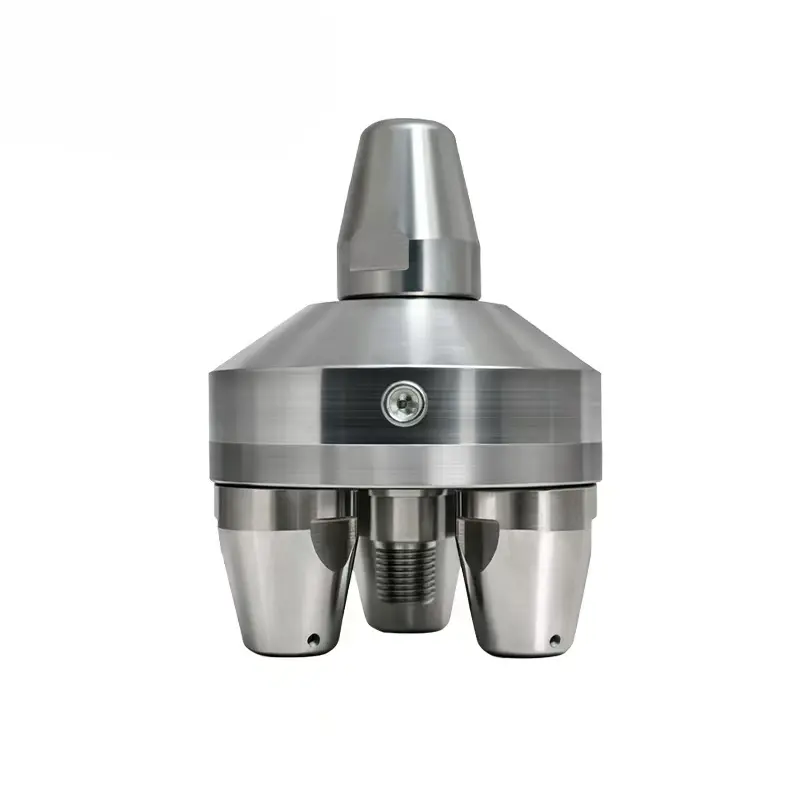
A sewer jetter machine cleans pipes by combining pressurized water, controlled flow, and specialized nozzles. Its tank stores clean water, while a pump pushes that water through a flexible hose. The nozzle then releases several focused jets. Rear-facing jets pull the hose forward and wash loosened waste toward the access point. Forward jets can open soft blockages, although they may not remove every hardened deposit.
In field inspections, operators often adjust pressure and water volume to match pipe size and material. Excessive pressure can damage aging joints or fragile liners. Insufficient flow may move debris only a short distance. Pressure alone is not enough. The nozzle angle, hose length, blockage type, and drainage slope also affect performance. Grease usually needs sustained flushing, while roots may require a cutting nozzle and repeated passes. Operators should monitor hose movement, pump temperature, and wastewater return during cleaning.
Global buyers should compare tank capacity, pump output, hose durability, power requirements, and transport design. Water quality matters because sediment can accelerate pump wear. Local voltage and maintenance access deserve equal attention. A larger machine is not automatically better for narrow urban pipes. I have seen equipment selected for maximum pressure, then underused because its flow rate was unsuitable. That mistake is easy to repeat. Practical testing with representative pipe conditions gives more reliable results than relying on specifications alone. Always follow trained operating procedures and site-specific safety controls.
For global buyers, sewer jetter machines should be matched to pipe size, blockage type, and working access. Municipal trunk lines often need truck-mounted or trailer-mounted units with high water flow. Grease, silt, and tree roots require different nozzle designs. Pressure alone is not enough. A narrow nozzle may cut roots, while a flushing nozzle moves heavy sediment more effectively.
Compact electric machines suit commercial buildings, workshops, and indoor drainage networks. A Portable Sewer Jetter Machine is useful where vehicles cannot enter, especially in dense streets or basement areas. Operators should check hose length, water-tank capacity, pump duty cycle, and electrical safety before purchase. Trailer units offer stronger flushing capacity, but they need towing space and reliable water supply. Small units are easier to position. They also clear less material per hour.
The U.S. Environmental Protection Agency’s 2022 Clean Watersheds Needs Survey estimated $630.1 billion in wastewater infrastructure needs from 2022 to 2041. This figure shows why maintainable equipment matters, although it does not measure jetter sales directly. Field selection should also consider local standards, water restrictions, and spare-parts access. ISO 24510 emphasizes service quality and user-focused wastewater management. Buyers should record actual flow, pressure, fuel use, and cleaning time during trials. A machine can look powerful on paper. It may perform poorly with a long hose or weak water source. That is the part many comparisons miss.
Choosing a sed sewer jetter machine requires more than comparing maximum pressure. High pressure can damage older clay pipes or weak joints. Flow rate often determines whether grease, sand, and settled debris leave the line completely. Compare both figures under working conditions, not only catalogue limits.
Check the pump type, hose length, nozzle range, tank capacity, and filtration system. A durable hose should resist abrasion while remaining flexible around bends. The tank should support your typical cleaning cycle without creating unnecessary transport weight.
Inspect access panels, pressure gauges, emergency shutoff controls, and hose-reel construction. These details affect daily reliability and operator safety. Ask for service records, spare-part availability, and clear technical documentation before purchase.
Tips: Test the machine with a representative hose and nozzle before ordering. Measure your common pipe diameters. Confirm whether the unit suits urban streets, rural access roads, or trailer transport. Do not choose pressure alone. A quieter engine may matter near homes and hospitals. One overlooked issue is winter storage; trapped water can freeze and damage the pump. I would also question impressive performance claims without independent test conditions. A machine that cleans quickly but needs frequent repairs may cost more over time. Leave room for doubt, and verify every specification.
Top Sewer Jetter Machines for Global Buyers in 2026
Global buyers are prioritizing sewer jetter machines that balance pressure, flow, mobility, and service access. The 2024 U.S. EPA Clean Watersheds Needs Survey identified about $630 billion in wastewater infrastructure needs over 20 years. This figure signals sustained demand for practical maintenance equipment. A suitable 2026 jetter should match pipe diameter, blockage type, water availability, and local transport limits. High pressure alone is not enough.
For small urban lines, a compact unit with 100–180 bar pressure and adjustable flow can improve control. Larger municipal pipelines may require 200–300 bar systems, longer hoses, and stronger hose reels. Operators should inspect nozzle thrust, pump materials, filtration, and emergency shutdown functions. A 1,000-litre tank may seem useful, but refill time can reduce daily productivity. Sometimes, smaller tanks work better.
Field experience shows that access matters as much as cleaning power. Check turning radius, axle load, cold-weather protection, and spare-part availability before ordering. ISO 24513 encourages reliable water and wastewater service management, including maintainability and operational performance. Buyers should request test records using their actual pipe sizes and sediment conditions. I would not trust a brochure rating alone. It can hide weak flow performance. Also, fuel consumption, noise, emissions compliance, and operator training vary widely between regions.
2026 Top Sewer Jetter Machines for Global Buyers
Matching a sewer jetter to the pipe matters more than choosing the highest pressure. Begin with the blockage type, pipe diameter, length, and access conditions. Grease usually needs steady flow and a penetrating nozzle. Hardened scale may require higher pressure, stronger hose control, and careful inspection. A custom sewer jetter machine should fit the actual site, not an ideal brochure scenario.
For small drains, compact equipment with moderate flow improves control and transport. Large municipal lines may need higher flow, a larger water tank, and longer hose capacity. Pressure alone can mislead operators. A 3,000 PSI unit with limited flow may clear poorly through long pipe sections. Check pump output under working conditions, not only laboratory ratings. Confirm nozzle compatibility, hose flexibility, filtration, and engine cooling before purchase.
In practical site assessments, operators often overlook water supply. A powerful machine becomes inefficient when the tank empties repeatedly. Wheel size, frame balance, and hose-reel placement also affect daily productivity. Safety features deserve equal attention, including pressure regulation and emergency shutdown. Some specifications remain uncertain until field testing. Soil, pipe damage, and hidden joints can change performance quickly. Leave room for adjustment, and record the results after each cleaning job.
| Jetter Machine Category | Typical Cleaning Requirement | Recommended Flow Rate | Recommended Pressure | Typical Water Tank Capacity | Suitable Pipe Diameter | Recommended Hose Size | Power Configuration | Key Selection Advantages | Main Limitations |
|---|---|---|---|---|---|---|---|---|---|
| Compact Electric Drain Jetter | Indoor drains, kitchen lines, washroom pipes, grease deposits, and short service runs | 8–25 L/min | 100–180 bar | 20–60 L | 25–100 mm | 6–10 mm | Single-phase or three-phase electric motor, typically 2.2–7.5 kW | Low noise, zero local exhaust emissions, compact footprint, and convenient operation in buildings | Limited hose length, water capacity, mobility, and performance on heavy roots or long municipal lines |
| Portable Petrol Drain Jetter | Residential service work, small commercial drains, floor drains, and locations without reliable grid power | 15–45 L/min | 120–220 bar | 40–120 L | 50–150 mm | 8–13 mm | Petrol engine, commonly 5–13 hp | Independent operation, easy transport, and stronger performance than compact electric units | Produces exhaust fumes and noise; fuel storage and ventilation must be managed safely |
| Trailer-Mounted Sewer Jetter | Routine municipal sewer maintenance, manholes, storm drains, and medium-length pipe cleaning | 45–110 L/min | 150–280 bar | 600–1,500 L | 100–450 mm | 13–19 mm | Diesel or petrol engine, commonly 25–80 hp | Large onboard water supply, long operating time, high pulling force, and good road mobility | Requires a towing vehicle, suitable parking space, and regular trailer maintenance |
| Truck-Mounted Sewer Jetter | Large municipal networks, deep sewers, stormwater systems, industrial drains, and continuous field work | 80–250 L/min | 150–300 bar | 3,000–12,000 L | 150–1,200 mm | 19–25 mm | Diesel engine and hydraulic or mechanical pump drive | Very high productivity, extended cleaning cycles, large hose reels, and integrated operator controls | Higher acquisition cost, larger turning radius, greater fuel use, and more demanding service requirements |
| Vacuum-Combi Sewer Cleaner | Debris removal from sewer lines, catch basins, sludge pits, wet wells, and blocked stormwater systems | 60–200 L/min jetting flow | 140–250 bar | 4,000–12,000 L combined water and debris capacity | 150–1,500 mm | 19–25 mm | Heavy-duty diesel chassis with separate vacuum and jetting systems | Combines high-pressure cleaning with vacuum extraction, reducing the need for separate equipment | High capital cost, substantial vehicle weight, and more complex operation and maintenance |
| High-Flow Industrial Jetter | Industrial process lines, large-diameter pipes, heat exchangers, sediment, scale, and production-area drainage | 100–400 L/min | 100–250 bar | 1,000–5,000 L | 200–1,500 mm | 19–32 mm | Diesel engine or high-power electric motor, commonly 50–200 kW | Prioritizes water volume and flushing distance for heavy deposits and large pipe interiors | Not economical for small domestic drains; requires high water availability and industrial access |
| Ultra-High-Pressure Jetter | Hard scale, concrete residue, mineral deposits, coatings, paint, and specialized industrial cleaning | 15–60 L/min | 500–2,800 bar | 300–2,000 L | 50–600 mm | 6–19 mm, pressure-rated | High-power diesel or electric drive with specialized high-pressure pump | Effective against extremely hard deposits where conventional sewer jetting pressure is insufficient | Requires specially trained operators, exclusion zones, certified hoses, and strict safety controls |
| Battery-Assisted Compact Jetter | Indoor maintenance, building management, remote facilities, and low-noise cleaning applications | 8–30 L/min | 100–180 bar | 30–100 L | 25–125 mm | 6–10 mm | Battery-electric drive, often supported by an external charger or auxiliary power source | Low noise, reduced local emissions, and improved access where fuel-powered equipment is unsuitable | Operating time depends on battery capacity, ambient temperature, load, and recharge availability |
| Remote-Controlled Robotic Jetter | Large culverts, hazardous industrial areas, confined spaces, and locations requiring operator separation | 40–180 L/min | 150–350 bar | 500–5,000 L | 300–2,000 mm | 19–32 mm | Hydraulic or electric drive with remote control and camera-assisted operation | Improves operator safety and access in unstable, contaminated, or difficult-to-enter environments | Higher system complexity, specialized training needs, and greater initial investment |
2026 buyers should assess sewer jetter machines through safety and operating discipline, not pressure ratings alone. A diesel sewer jetter machine supplier should provide manuals, hose records, emergency procedures, and training evidence. EN 1829-2 stresses controls for high-pressure water jetting equipment. Operators need face protection, waterproof gloves, protective footwear, and hearing protection. Never point a live nozzle toward people. It can cause severe injury within seconds.
Maintenance begins before the truck reaches the worksite. Inspect the hose for cuts, bulges, exposed reinforcement, and damaged couplings. Check the water tank, filters, pump oil, relief valve, and emergency stop. Keep records with dates and operating hours. OSHA’s confined-space guidance notes that about 60% of confined-space fatalities involve would-be rescuers. Therefore, workers should not enter a sewer to retrieve equipment without a documented rescue plan, atmospheric testing, and trained attendants. A barricaded work zone also protects pedestrians from moving hoses and contaminated water.
Tips: Use the lowest effective pressure. Increase it slowly. Secure the hose at the access point. Keep a second worker watching the hose path. The U.S. Bureau of Labor Statistics reported 5,486 fatal occupational injuries in 2022, showing why routine controls matter across industrial work. I would still question any checklist completed from memory. People miss small leaks, especially during rain, darkness, or rushed callouts. Record defects immediately, isolate unsafe equipment, and verify repairs before restarting.
A pump sends water through a flexible hose. The nozzle releases focused water jets. Rear-facing jets pull the hose forward and flush loosened debris backward. Forward jets can open soft blockages. Hard deposits may remain.
Pressure provides cutting force. Flow carries grease, sand, and wastewater away. High pressure alone may leave debris behind. Low flow can move waste only a short distance. Balance matters.
Grease usually needs sustained flushing. A flushing nozzle can move heavy sediment more effectively. A narrow cutting nozzle may suit roots. Nozzle choice depends on the blockage, pipe, and cleaning direction.
Yes. High pressure can harm aging joints, fragile liners, or older clay pipes. Operators should adjust pressure for pipe condition. The strongest setting is not always safest.
Compact electric units often suit buildings, workshops, and basement drainage. They are easier to position in tight spaces. However, they usually clear less material per hour. Check electrical safety and hose length carefully.
Compare working pressure, water flow, tank capacity, hose durability, and pump type. Also check nozzle options, power needs, transport design, and filtration. Service access matters. A large tank can also create extra transport weight.
Catalogue figures may not match field performance. A long hose or weak water source can reduce cleaning ability. Test the machine with common pipe sizes and representative blockages. Paper figures can mislead.
Monitor hose movement, pump temperature, pressure, and wastewater return. Check for unusual vibration or restricted flow. Remove trapped water before winter storage. Frozen water may damage the pump. Small details matter.
No. The best unit matches pipe size, blockage type, access, and water supply. A powerful machine may be underused in narrow urban pipes. I would question impressive claims without independent testing. Practical results matter more.
A Sewer Jetter Machine uses high-pressure water to break apart blockages, wash away grease and sediment, and restore flow inside drains, pipelines, and municipal sewer systems. This guide explains the main machine types, including trailer-mounted, truck-mounted, skid-mounted, and compact electric models, helping global buyers select equipment for residential, commercial, industrial, or large-scale municipal applications. It also reviews essential specifications such as water pressure, flow rate, tank capacity, hose length, nozzle compatibility, mobility, power source, and ease of operation.
For 2026 purchasing decisions, the best machine is not necessarily the most powerful, but the one that matches the pipe diameter, blockage type, cleaning distance, and working environment. Buyers should compare performance, durability, operating costs, serviceability, and transport requirements before choosing a system. Proper training, protective equipment, routine inspections, pump and hose maintenance, and compliance with applicable operating standards are also essential for safe and reliable sewer cleaning.