Leave Your Message
0%

Picking the right Washer Drain Cleaner isn't about reaching for the harshest bottle you can find. First, you've got to figure out what's actually causing the blockage. A slow drain could be detergent residue, lint, hair, or something deeper in the pipe. And each one needs a different approach. Use the wrong product and you might wreck seals, irritate your skin, or leave nasty residue sitting in the drain hose. That's a risk worth taking seriously.

A smarter pick should line up with what your washer manufacturer recommends, what your drain is made of, and where the clog is. Read the label—really read it. Does the formula work for washing machines and regular household plumbing? Enzyme-based cleaners can be gentler on organic buildup, while mechanical tools might be better for stubborn gunk near the filter or hose. Before you inspect anything, unplug the power, protect your hands and eyes, and open a window or door for ventilation. And please, never mix cleaning products. Some combos can create dangerous fumes.

Honestly, experience has taught me that a cleaner isn't always the fix. A bent hose, a clogged pump filter, or a standpipe that's not positioned right can cause repeat draining issues. I've seen quick chemical treatments mask the symptom for a little while, but they won't repair a faulty pump. This guide looks at cleaning strength, material safety, how easy it is to apply, odor, and long-term value. It also pulls in advice from appliance manuals and qualified plumbing pros. No product is perfect. The best Washer Drain Cleaner is the one that fixes the real blockage without causing a second problem. Small details matter. A careful diagnosis can save water, time, and a service call you didn't need.

How to Choose the Best Washer Drain Cleaner?

Washer Drain Cleaner Basics and How It Works

How to Choose the Best Washer Drain Cleaner?

Washer Drain Cleaner Basics and How It Works

A washer drain cleaner removes buildup that slows or blocks wastewater flow. The blockage often contains lint, detergent residue, hair, and mineral deposits. Some cleaners use enzymes to break down organic material gradually. Others use chemical agents that dissolve stubborn deposits faster. Mechanical tools, such as drain snakes, remove the blockage directly. They do not depend on a chemical reaction.

Choose a product made for washing machine drains. A Pressure Washer Drain Cleaner may be designed for outdoor pipes, not indoor washer systems. Check the label, pipe material, drain size, and recommended contact time. Never mix cleaning products. Dangerous fumes or heat may result. In practical maintenance, flushing with warm water after treatment often helps remove loosened residue. However, it cannot fix a damaged hose or a poorly positioned drainpipe. That part is easy to overlook.

Tips: Unplug the washer before inspection. Wear gloves and eye protection. Remove visible lint from the drain hose first. Test a small amount as directed. If water returns quickly, stop using stronger chemicals. A plumber can check hidden blockages, pump problems, or incorrect drainage height. Even careful cleaning may not solve every slow drain.

Common Causes of Washing Machine Drain Blockages

A blocked washing machine drain usually starts with ordinary residue. Lint, loose fibers, hair, and undissolved detergent can gather inside the hose or standpipe. Small objects, such as coins, may also restrict water flow. A kinked discharge hose creates a similar symptom.

The Water Research Foundation’s Residential End Uses of Water, Version 2, measured clothes-washer use at approximately 15 gallons per load in North American homes. That volume can expose a partial blockage quickly. Water may drain slowly, back up, or spill across the laundry floor. Water UK reports that its members clear about 300,000 sewer blockages each year. Household waste contributes to many drainage problems, although not every blockage begins inside the washing machine.

Choose a washer drain cleaner only after checking the hose, filter, and standpipe. Mechanical removal is usually safer for visible lint or compacted residue. A drain snake can reach buildup without leaving harsh chemicals near rubber seals. Enzyme-based cleaners may help with organic residue, but they often work slowly. Chemical strength is not proof of effectiveness. Never mix cleaners.

Read the cleaner’s safety sheet carefully. Check whether it is suitable for plastic pipes and appliance connections. I still inspect the hose twice. That simple step is easy to overlook. If water returns immediately, the blockage may sit deeper in the household drain line. Repeated backups deserve a licensed plumber’s inspection, because forcing cleaner into a sealed system can worsen damage.

How to Identify the Right Cleaner for Your Washer

How to Choose the Best Washer Drain Cleaner?

Choosing the right cleaner starts with identifying the blockage, not buying the strongest formula. Watch the drain hose during a cycle. Slow flow, gurgling, or gray water usually indicates lint, soap residue, or a partial clog. A small inspection camera can confirm the location. This simple check prevents unnecessary chemical use.

For plastic pipes, select a cleaner labeled compatible with PVC or ABS. Enzyme-based products suit organic residue but work slowly. A manual auger is better for compact lint near the standpipe. An Electric Pressure Washer Drain Cleaner may clear stubborn buildup, but only when its pressure rating matches the pipe system. Excessive pressure can loosen fittings or force water behind a wall. No cleaner is perfect.

The U.S. Environmental Protection Agency reports that household leaks waste nearly 10,000 gallons of water yearly in affected homes. A blocked washer drain can quietly add to that waste. Choose a product with clear instructions, safety data, and disposal guidance. Never mix cleaning agents. I once assumed stronger action meant better cleaning; that judgment needs reconsideration. Testing with a short rinse cycle is safer than starting with a full load. EPA WaterSense data also indicates that 10% of homes have leaks wasting more than 90 gallons daily.

Key Safety and Compatibility Factors to Check

How to Choose the Best Washer Drain Cleaner?

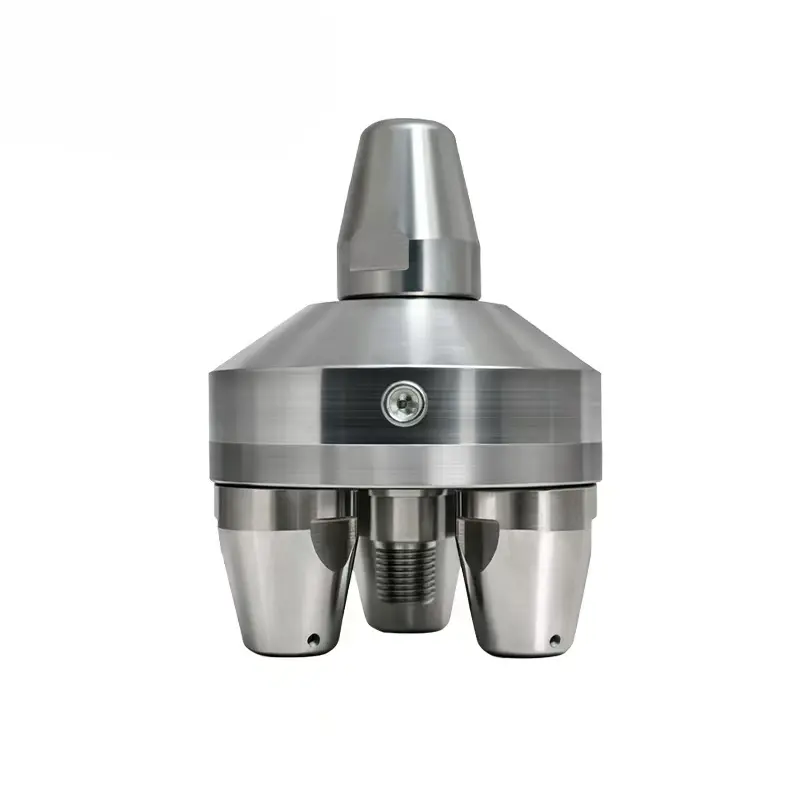
Safety and compatibility should guide every choice, especially when using a Drain Cleaner Tool For Pressure Washer. Check the tool’s maximum pressure and flow-rate ratings before connecting it. Your pressure washer must match both limits, not just the advertised PSI. An undersized hose can restrict water flow and create unstable pressure. A damaged hose may burst near your hands. That is not a minor inconvenience.

Inspect the drain material and opening size first. Flexible hoses suit many household lines, while rigid pipes may require a different nozzle design. Verify the connector thread, hose diameter, and nozzle angle. Rear-facing jets can pull the hose forward, but they may also push debris deeper. Use eye protection, waterproof gloves, and sturdy footwear. Release pressure before changing fittings. Never combine chemical drain products with high-pressure water. Chemical residue can splash unexpectedly. I have found that rushed preparation causes more problems than blocked drains. Still, tool manuals can be unclear, so checking twice is worthwhile.

Tips: Test the tool in a clean bucket before entering the drain. Watch for leaks, unusual vibration, or sudden hose movement. Keep bystanders away from the work area. Use the lowest effective pressure, and stop if the pipe shifts or cracks. A small inspection camera can reveal roots, grease, or collapsed sections before cleaning. Fresh water helps, but it cannot repair damaged plumbing.

Step-by-Step Guide to Choosing and Using a Drain Cleaner

How to Choose the Best Washer Drain Cleaner?

Start with the drain, not the bottle. Unplug the washer and inspect the hose, standpipe, lint filter, and floor drain. Remove visible lint and sediment with gloves. A wet vacuum or drain snake often solves shallow blockages without chemicals. The U.S. EPA WaterSense program reports that household leaks waste nearly one trillion gallons of water annually, so a slow washer drain deserves prompt attention.

Match the cleaner to the blockage. Enzyme-based formulas suit organic residue, soap film, and lint buildup. A stronger alkaline formula may work faster on heavy grease, but check its label first. Confirm compatibility with PVC, rubber seals, septic systems, and older plumbing. Read the safety data sheet when available. Never combine cleaners.

Use less than you think. Follow the measured dose, ventilate the room, and wear eye and hand protection. Keep the washer disconnected during treatment. Allow the stated contact time, then flush with the recommended water volume. Do not force a full drain cycle if water still backs up. Stop there. A recurring clog may indicate a crushed hose, poor standpipe design, or a deeper sewer problem. The U.S. Consumer Product Safety Commission stresses following chemical labels and keeping products away from children. I would also photograph the hose setup before changing anything; small details are easy to forget, and my first diagnosis is not always right.

How to Choose the Best Washer Drain Cleaner? - Step-by-Step Guide to Choosing and Using a Drain Cleaner

Step / Criterion Recommended Choice or Action Suitable Drain Problem Typical Guidance Important Safety or Usage Note
1. Identify the blockage Check whether the washer drains slowly, backs up, or does not drain at all. Slow drainage is commonly associated with lint, detergent residue, soil, or small foreign objects. Stop using the washer until the water level and drainage path have been checked. A pump failure, kinked hose, or electrical fault cannot be reliably solved with drain cleaner.
2. Inspect the accessible parts first Clean the washer filter or pump filter if the appliance design includes one, and inspect the drain hose and standpipe. Lint buildup, coins, hair, and hose obstructions. Disconnect power before opening any filter area and place a shallow container beneath it. Do not remove panels or internal parts unless the appliance instructions permit it or a qualified technician is available.
3. Choose a mechanical method Use a plunger or a drain auger before applying chemicals. Localized clogs near the standpipe or drain opening. Mechanical removal provides immediate feedback and does not leave chemical residue in the hose. Use tools carefully to avoid damaging flexible hoses, seals, or plastic fittings.
4. Consider an enzyme cleaner Select a drain product labeled for organic residue and compatible with the plumbing materials involved. Light buildup from detergent residue, lint, body oils, and other biodegradable material. Enzyme products usually require a longer dwell time, often several hours or overnight; follow the product label. They are generally slower than mechanical methods and may not remove solid objects or severe blockages.
5. Consider an alkaline cleaner Use only a product whose instructions specifically allow use in the washer drainage system. Some organic deposits and greasy residue. Follow the exact dosage, water-temperature, and waiting-time instructions on the label. Wear gloves and eye protection, provide ventilation, and keep the product away from skin, fabrics, and children.
6. Avoid unsuitable chemical formulas Avoid strong acid drain openers unless the product documentation explicitly states that they are safe for washer drains and connected plumbing. Not recommended as a first-line option for washer drainage problems. Chemical compatibility depends on the hose, seals, pipes, and drain configuration. Never mix acid, alkaline, bleach, or other drain products. Mixing can create heat, toxic gases, or corrosive splashes.
7. Verify material compatibility Check the label for compatibility with PVC, rubber, stainless steel, and other materials in the drainage path. Any chemical treatment used in a connected appliance drainage system. If the label does not mention appliance or washer drain use, choose a mechanical method or consult the appliance manual. Do not assume that a product suitable for a household sink is suitable for a washing machine.
8. Apply the cleaner correctly Turn off and unplug the washer, remove standing water where possible, and apply the measured amount to the drain access point specified by the instructions. A confirmed drain-line buildup after basic inspection. Use the stated quantity only; more product does not necessarily improve performance. Do not pour cleaner into the washer drum unless the product instructions specifically require it.
9. Flush the drain Flush with the amount and temperature of water specified on the cleaner label. Residue remaining after the cleaner’s required contact time. Use clean water and ensure the drainage path can accept the flow without overflowing. Do not combine the flush with another cleaning chemical.
10. Test and prevent recurrence Run a short rinse or drain test, then clean the filter regularly and use the correct detergent amount. Recurring lint, detergent residue, odor, or slow drainage. Keep the drain hose free of kinks and follow the appliance manufacturer’s maintenance schedule. If the washer still will not drain, leaks, makes unusual noises, or repeatedly backs up, stop using it and contact a qualified service professional.

When to Replace DIY Cleaning with Professional Service

Choosing the best washer drain cleaner starts with identifying the blockage. A slow drain may contain lint, detergent residue, or a deeper pipe obstruction. Remove the drain hose and inspect its outlet. Look for gray water, gurgling sounds, or a damp wall behind the washer. These details matter.

For a minor buildup, a hand drain snake or an enzyme-based cleaner may be reasonable. Follow the product instructions carefully. Never mix cleaning chemicals. A Water Jet Drain Cleaner Attachment For Pressure Washer can remove heavy buildup, but it demands caution. Excessive pressure may loosen fittings or damage older pipes. Protect the floor, wear eye protection, and disconnect power before working near water.

DIY cleaning has limits. Stop when water remains in the drum, backups return within days, or the drain overflows during a normal cycle. A sewer smell also deserves professional attention. It may indicate a blocked branch line, poor venting, or a damaged connection. Call a qualified plumber when the blockage is deep or inaccessible. They can test flow, inspect the pipe with a camera, and check hidden leaks. One honest limitation: household tools cannot confirm pipe damage. I used to assume repeated flushing meant progress. Sometimes, it only pushed debris farther inside. Professional service becomes the safer choice when cleanup turns uncertain, messy, or repetitive.

New TES2035-L Sewer Pipe Cleaner Machine: 2900 PSI Power with EFI Engine Performance

Modern sewer networks require dependable maintenance as aging infrastructure increases the risk of blockages, overflow, and costly service interruptions. The U.S. Environmental Protection Agency’s 2022 Clean Watersheds Needs Survey estimated approximately $630.1 billion in wastewater infrastructure needs over the next 20 years, highlighting the importance of efficient inspection and cleaning equipment. A professional sewer pipe cleaner delivering 2,900 PSI and 9 GPM provides strong water flow for clearing grease, sediment, and common obstructions in residential, commercial, and municipal lines.

Powered by an 18 HP electronic fuel-injected engine, this machine is designed to provide responsive performance and improved fuel management during demanding cleaning operations. Its stainless-steel pump supports durability, while the 164-foot Jetter hose offers extended reach for longer pipe sections. An electric hose reel can also simplify deployment and retrieval, helping operators reduce setup time and maintain a more organized work area.

Operational control is enhanced by an RS2 wireless remote, allowing users to manage key functions from a practical working distance. The need for reliable equipment is reinforced by the American Society of Civil Engineers’ 2021 Infrastructure Report Card, which rated U.S. wastewater infrastructure D+, reflecting ongoing maintenance challenges. With high-pressure cleaning power, extended hose capacity, and convenient controls, this configuration is suited to contractors seeking consistent performance across routine drain and sewer cleaning projects.

FAQS

How can I check whether a drain-cleaning tool fits my pressure washer?

Compare the tool’s maximum pressure and flow-rate ratings with your washer. Both limits matter. Check the connector thread, hose diameter, and nozzle angle. An undersized hose can restrict flow and create unstable pressure.

What should I inspect before cleaning a washer drain?

Check the drain material and opening size. Flexible hoses suit many household lines. Rigid pipes may need another nozzle design. Inspect the outlet for gray water, gurgling, or nearby dampness.

What safety equipment should I use?

Wear eye protection, waterproof gloves, and sturdy footwear. Protect the floor from dirty water. Keep other people away. Disconnect power before working near water.

Should I test the tool before inserting it into the drain?

Yes. Test it in a clean bucket. Watch for leaks, vibration, or sudden hose movement. Stop immediately. These signs may reveal a loose fitting or unstable pressure.

Can rear-facing jets cause problems?

Rear-facing jets can pull the hose forward through the pipe. However, they may push debris deeper. Use the lowest effective pressure. Stop if the pipe shifts, cracks, or leaks.

Can I combine chemical cleaners with high-pressure water?

Never combine them. Chemical residue may splash unexpectedly under pressure. Follow each product’s instructions carefully. Mixing cleaners creates unnecessary risk.

When is a hand snake or mild cleaner suitable?

They may suit minor buildup from lint or detergent residue. Use them only according to their instructions. A slow drain does not always mean a simple blockage.

When should I call a qualified plumber?

Call when water remains in the drum, backups return within days, or the drain overflows. A sewer smell also deserves attention. Deep blockages and hidden leaks need professional testing. Household tools cannot confirm pipe damage.

Can repeated flushing prove that the blockage is clearing?

No. I once assumed repeated flushing showed progress. Sometimes, it only pushed debris farther inside. An inspection camera can reveal roots, grease, or collapsed sections more clearly.

Conclusion

Choosing the right Washer Drain Cleaner starts with understanding how it works and why a washing machine drain becomes blocked. Common causes include lint, detergent residue, dirt, small objects, and buildup inside the hose or drainpipe. A suitable cleaner should match the washer’s drainage system, the type of blockage, and the material of the pipes. Always check the product instructions, recommended usage, ventilation requirements, and compatibility with plastic, rubber, or metal components before use.

For safe results, disconnect the washer from power, remove visible debris, and follow the cleaner’s directions carefully without mixing different cleaning products. Use the recommended amount and allow the proper contact time before flushing the drain. If the blockage remains, water backs up repeatedly, unpleasant odors continue, or the drain makes unusual sounds, stop using the washer and seek professional service. Persistent problems may indicate a damaged hose, deep obstruction, or plumbing issue that requires specialized inspection rather than additional DIY cleaning.

Clara

Clara

Clara is a dedicated marketing professional at Hebei Tiandao Technology Co., Ltd., where she leverages her extensive expertise to promote the company's innovative products and services. With a strong background in technology marketing, Clara ensures that the essence of the company's core......
Previous China Top 10 Drain Cleaners for Washing Machine Drains