Choosing the right Jet Drain can determine whether a drainage project performs reliably or creates repeated maintenance problems. Pipe diameter, blockage type, flow rate, access points, and available water pressure all influence the decision. A compact residential line may need a lighter unit, while a commercial system can require longer hose reach and stronger cleaning power.
Small details matter.
Experienced technicians usually inspect the pipe before selecting equipment. They check for grease, sediment, tree roots, collapsed sections, and sharp bends. A Drain Jet Hydraulic Drain Flusher may suit demanding applications, but its pressure and flow must match the pipe’s condition. Excessive force can damage fragile or aging lines. Insufficient flow may move debris without removing it.
The most reliable choice comes from practical testing, manufacturer specifications, and advice from trained professionals. Look for clear pressure ratings, compatible nozzles, durable hoses, emergency shutoff features, and accessible replacement parts. Project records also help reveal recurring problems, such as slow drainage after heavy rain or repeated grease buildup near kitchen outlets.
No selection method is flawless.
A common mistake is choosing the highest-pressure machine automatically. That approach ignores pipe material, access limitations, and operator control. A better assessment compares performance, safety, transport needs, maintenance requirements, and long-term operating costs. Local technical requirements should also be reviewed before installation or use. With careful evaluation, the best Jet Drain becomes more than a powerful tool; it becomes a controlled, dependable solution for the project’s actual drainage conditions.

Understanding What a Jet Drain Is and How It Works
How to Choose the Best Jet Drain for Your Project?
Understanding What a Jet Drain Is and How It Works
A Jet Drain is a water-powered drain cleaning system. It uses a pump, flexible hose, and specialized nozzle. Pressurized water breaks apart grease, sludge, and loose debris inside pipes. Rear-facing jets push the hose forward and wash waste toward the access point. Forward jets can open restricted passages more directly. It is not magic. Pipe condition still controls the result.
The U.S. Environmental Protection Agency’s 2022 Clean Watersheds Needs Survey estimated $630.1 billion in wastewater infrastructure needs. That figure shows why preventive cleaning deserves careful equipment selection. A suitable Jet Drain should match pipe diameter, blockage type, access distance, and available water flow. A narrow residential line may need a compact hose and moderate flow. A larger commercial line may require stronger flow, a longer hose, and a nozzle designed for heavy deposits. Pressure is not everything.
The 2021 ASCE Infrastructure Report Card rated U.S. wastewater infrastructure D+. This reinforces the need to inspect older pipes before aggressive cleaning. Roots, cracked joints, and fragile ceramic sections may require controlled jetting. Technicians should verify operating pressure, hose condition, nozzle alignment, and water containment. In a four-inch line, a penetrating nozzle may clear a soft blockage, while a rotating nozzle can remove hardened buildup. Field conditions often disagree with catalog charts. That is where judgment matters. A camera inspection after cleaning can reveal remaining scale, damage, or a missed connection. Mistakes happen, especially when operators choose pressure before understanding the pipe.
Identifying Your Project’s Drainage Requirements
Identifying your project’s drainage requirements starts with the pipe, not the machine. The U.S. Environmental Protection Agency’s 2022 Clean Watersheds Needs Survey estimated $630.1 billion in wastewater infrastructure needs over 20 years. That scale shows why a quick equipment choice can create expensive failures. Measure pipe diameter, total length, access points, and the blockage type before selecting a Water Jet Drain Cleaner. Grease, silt, roots, and hardened mineral deposits require different nozzle actions.
Pressure alone is not the target. Match pressure and flow to the pipe material, diameter, and condition. Smaller residential lines may need controlled flow and a compact hose. Large commercial lines often require higher water volume for effective flushing. The American Society of Civil Engineers gave U.S. wastewater infrastructure a D+ in its 2021 Infrastructure Report Card. Aging systems deserve careful inspection, not aggressive guessing. A camera survey can reveal cracks, offset joints, or damaged liners that jetting might worsen.
Field conditions also matter. A long hose run reduces usable force, while narrow bends increase friction. Confirm water supply, drainage discharge, electrical safety, and operator visibility before work begins. I have found that technicians sometimes select a nozzle from habit, then blame the Jetter when debris returns. That assumption needs rethinking. Record nozzle type, pressure, flow rate, pipe size, and cleaning results after each job. Small records expose patterns, even when the first assessment was imperfect.
Comparing Jet Drain Types, Materials, and Configurations
Choosing a jet drain begins with the blockage, pipe size, and work environment. Portable electric units suit indoor lines and small maintenance teams. Trailer-mounted systems deliver greater flow for long service runs and heavy sediment. Skid configurations fit larger vehicles and repeated commercial work. I used to focus mainly on pressure, but flow rate often controls cleaning speed more effectively.
Material selection affects durability and handling. A polyurethane hose resists abrasion and bends easily around tight corners. Rubber hoses feel flexible, yet they may require more careful storage. Stainless steel nozzles handle repeated contact with scale and grit. Brass components can work well under moderate conditions. Check pressure ratings, temperature limits, fittings, and replacement availability before purchase. Configuration matters too. A longer hose reaches distant access points, but it adds weight and friction. Adjustable reels improve control near walls and inspection openings.
Tips: Match nozzle shape to the deposit. Rotating jets can loosen hardened scale, while forward jets help clear soft debris. Select pressure and flow from verified equipment data, not guesswork. Wear eye protection, gloves, and suitable footwear during Jet Drain Cleaning. Keep a written maintenance log. Small leaks often reveal larger wear problems. I still review hose length after each project; the first choice is not always the best one. Test the setup on a controlled section before entering a difficult line. Consult local safety requirements and the equipment manual.
Evaluating Flow Capacity, Pressure, and Site Conditions
Choosing the best Water Jet Drain Cleaner Machine starts with flow capacity, not pressure alone. High pressure can cut grease, but insufficient flow may leave loosened debris inside the pipe. In field work, I check the pipe diameter, blockage type, access length, and nozzle design together. A machine producing 20 gallons per minute at 3,000 psi behaves differently from one delivering 10 gallons per minute at the same pressure. Flow carries waste away.
The site often changes the decision.
The U.S. Environmental Protection Agency’s 2022 Clean Watersheds Needs Survey estimated $630.1 billion in wastewater infrastructure needs over 20 years. That scale shows why durable, adaptable equipment matters. For residential lines, compact equipment may suit narrow access and limited water supplies. Larger commercial networks may require higher flow, longer hoses, and stronger hose reels. The Hydraulic Institute notes that pump performance depends on both pressure and flow, with real output changing under operating conditions. I would verify the pump curve instead of trusting a label.
Site conditions deserve equal attention. Long runs, sharp bends, standing water, and heavy roots increase resistance. A narrow doorway may reject an otherwise powerful machine. Check water availability, drainage, electrical supply, ventilation, and safe hose placement before mobilizing. OSHA’s confined-space guidance also reinforces the need to assess atmospheric and entry hazards. One practical mistake remains common: selecting pressure first, then discovering the nozzle cannot move the debris downstream.
How to Choose the Best Jet Drain for Your Project?
Estimated water-flow capacity by jet-orifice diameter at 5 bar operating pressure
Larger orifices provide higher flow capacity, but they also require adequate pump capacity, pipe size, drainage capacity, and site access. Values are calculated for clean water at approximately 20°C using an orifice discharge coefficient of 0.62. Actual field flow may be lower because of hose, valve, elevation, and connection losses.
Checking Installation Needs, Compatibility, and Maintenance
How to Choose the Best Jet Drain for Your Project?
Choosing a jet drain starts with the installation site, not the product catalog. Measure the drain opening, pipe diameter, available clearance, and expected water flow. A narrow channel may need a compact drain, while a busy workshop requires stronger flow management. Check whether the surface is concrete, tile, or another material. Each surface affects cutting, sealing, and access during installation.
Compatibility matters beyond size. Confirm the drain matches the pipe connection, grate level, and surrounding slope. A small height mismatch can leave standing water near the edge. Review material resistance if the area faces detergents, oils, heat, or frequent cleaning. Follow local plumbing requirements and the manufacturer’s technical instructions. In practice, one measurement can still be wrong, so verify dimensions twice before cutting. That extra check may prevent an expensive repair.
Tips: Keep a written measurement record. Photograph hidden pipe routes before closing the surface. Use the correct sealant for the drain material and installation environment. After fitting, pour several buckets of water through the drain and watch the joints. Look for slow flow, movement, or moisture underneath. Maintenance should include removing hair, grit, and sediment before buildup hardens. Inspect the grate and seal periodically. I have found that neglected small deposits often create larger drainage problems later. A simple access routine is easier than emergency replacement.
Selecting the Best Jet Drain for Performance and Value
How to Choose the Best Jet Drain for Your Project?
Selecting a jet drain for performance and value requires more than comparing prices. Start with the expected water volume, drainage slope, and cleaning frequency. A drain that handles occasional rain may fail under constant industrial flow. Check the rated flow capacity and match it to real site conditions. Leave a margin for sudden surges.
Material choice affects service life. Stainless steel resists corrosion well, while reinforced polymer can reduce weight and installation effort. Look closely at the grate, outlet, seals, and connection points. These small parts often decide whether maintenance stays simple. A removable grate is useful when leaves, grit, or sediment collect inside. Easy access saves labor.
Do not ignore installation details. Confirm the drain depth, outlet size, and surrounding surface levels before ordering. A strong unit can still perform poorly if the channel slopes incorrectly. I have found that test-fitting the drain prevents expensive adjustments later. It also reveals awkward access points. Not every “heavy-duty” model offers equal value. Some include useful cleaning access, while others only appear stronger because of thicker covers. Review technical documents, warranty terms, and local plumbing requirements. Ask for flow data, not vague performance claims. A careful comparison may take longer, but it reduces replacement risk and ongoing maintenance costs.
Amjet TS3060 Drain Cleaning Machines: Sewer Jetting Insights from Grand View Research and Fortune Business Insights
Recent industry analyses of the sewer cleaning equipment market point to growing demand for high-pressure, mobile solutions that can support municipalities, contractors, and urban infrastructure teams. As cities expand and drainage networks become more complex, Sewer Jetting machines are increasingly valued for removing sediment, grease, roots, and other blockages while reducing maintenance downtime. The TS3060 is designed for these demanding applications, combining a 190-horsepower diesel engine with pressure reaching 300 bar to deliver strong and consistent water flow through difficult pipe sections.
Built for professional sewer maintenance, the machine integrates an RS4 wireless control system that allows operators to manage key functions from a safer and more convenient position. Its electric hose reel helps streamline deployment and retrieval, improving workflow during extended cleaning operations. A durable construction supports regular use in challenging municipal and commercial environments, while the high-pressure configuration makes it suitable for cleaning a wide range of sewer and drainage pipes. For teams seeking dependable sewer pipe cleaning equipment, the TS3060 offers a practical balance of power, control, and operational efficiency.
FAQS
Measure pipe diameter, length, access points, and blockage type. Grease, roots, silt, and mineral scale need different nozzle actions.
No. Match pressure and flow to pipe material, diameter, and condition. Excessive force may worsen cracks, offset joints, or damaged liners.
Flow carries loosened debris through the pipe. A machine producing 20 gallons per minute may flush better than one producing 10 gallons.
Compact electric equipment often suits indoor lines and narrow access points. Check water supply and hose length before starting.
Commercial lines may require higher flow, longer hoses, and stronger reels. Trailer-mounted or skid configurations can support repeated, distant work.
Match the nozzle shape to the deposit. Rotating jets can loosen hard scale. Forward jets help move soft debris.
Long hoses, sharp bends, standing water, and roots increase resistance. Narrow doorways can limit equipment access. Test the setup first.
Confirm drainage discharge, electrical supply, ventilation, water access, and hose placement. Wear eye protection, gloves, and suitable footwear. Keep workers away from unsafe entry areas.
Record nozzle type, pressure, flow rate, pipe size, and cleaning results. Inspect leaks, fittings, reels, and hose wear after each job. Small records reveal patterns.
Do not choose pressure first and ignore flow or nozzle movement. I have made that assumption before. My first choice was not always right.
Conclusion
Choosing the best Jet Drain starts with understanding how it functions and matching its design to the demands of your project. A Jet Drain is intended to manage and redirect water efficiently, but the right option depends on factors such as drainage volume, water flow patterns, installation location, and expected operating conditions. Begin by assessing whether the site requires surface drainage, trench drainage, or a more specialized configuration. Then compare available types, materials, outlet designs, and connection arrangements to ensure the system suits the surrounding structure and environment.
Performance should also be evaluated through flow capacity, pressure requirements, soil conditions, rainfall levels, and available discharge routes. Before making a decision, confirm installation space, compatibility with existing pipes, access for cleaning, and long-term maintenance needs. The most suitable Jet Drain should provide reliable water control, durable construction, straightforward installation, and reasonable upkeep costs. By balancing technical performance, site compatibility, service life, and overall value, you can select a drainage solution that supports dependable results throughout the project.


 Sewer Jetter
 Thunder Series
 Thunder Pro Series
 Mammoth series
 Warrior Pro Series
 Warrior Max Series
 Warrior Supreme Series
 Destruction Series
 Titan Series
 Pressure Washer
 High Pressure Cleaning G5
 High Pressure Cleaning G8
 Pressure washer X3
 Pressure washer X4
 Water Seal
 Trailer Mounted Sewer Jetter
 Ridgid sewer tool
 K9-12
 K9-102
 K9-204
 Drain Camera
 DrainEye R8 Mini 30m
 DrainEye R10 Pro 60m
 DrainEye R13 Max 50m
 DrainEye R13 plus 100m
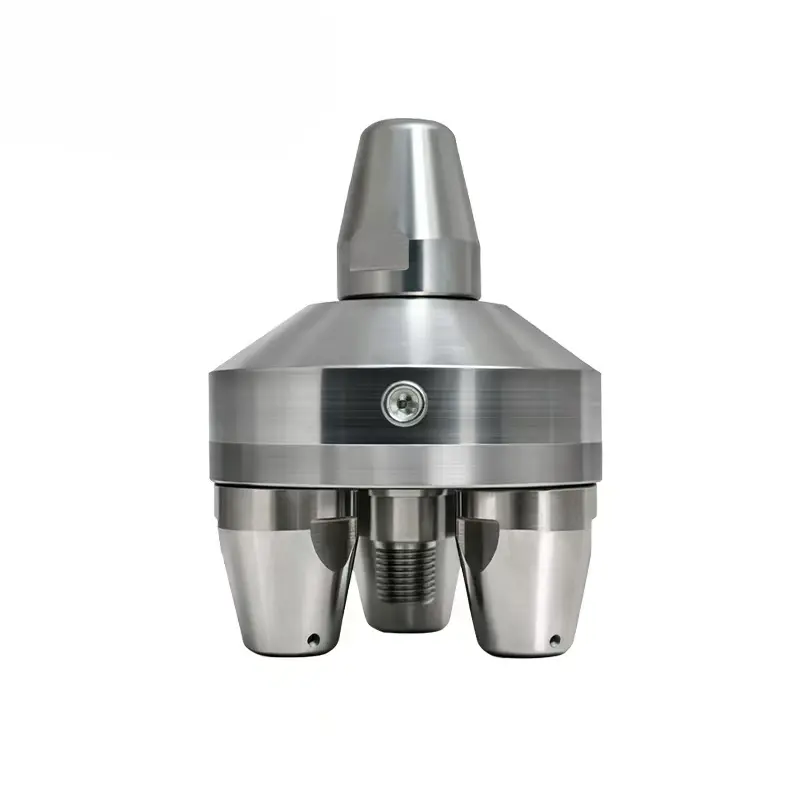 Jetter Nozzle
 turbot nozzle
 dragon-egg nozzle
 Tornado nozzle
 Witch nozzle
 Pagoda Nozzle
 Demolition King
 Naval mines Nozzle
 Diamond Nozzle
 Lron chain Nozzle
 Mushroom Head Nozzle
 King bomb Nozzle
 Chain Armor Defender nozzle
 Sharp Edge Nozzle
 Jetter Hose
 Hose Size1/2
 Hose Size1/4
 Hose Size3/8
 Jetter Hose Reel
 TTO
 TwinReel
 Black handheld hose reel
 Pressure Washer accessories
 Air Filter Element
 Spark Plug
 Oil Filter
 One Way Valve
 Ceramic Tube
 Filter
 Refurbished Sewer Jetter
 Custom Sewer Jetter
 Remote Start


