Let’s be real—picking a high-Pressure Drain Cleaner isn’t just about going for the model with the biggest pressure rating. You’ve got to match it to your actual situation: pipe diameter, how long the line is, what kind of blockage you’re dealing with, and the condition of the pipe itself. Think about it: a grease-coated kitchen line needs a completely different cleaning action than a long outdoor drain packed with settled debris. Sure, pressure matters, but so does water flow, hose length, nozzle design, and how much control you have. Honestly, the little stuff can make all the difference.
If you're after practical plumbing advice, Roger Wakefield is a solid person to turn to — he's a licensed master plumber and an educator, so he really knows his stuff. His experience points to a simple buying rule: choose the cleaner that matches the pipe and the blockage, not the one that just cranks up the pressure number. And to be clear, that's my paraphrase of his approach, not a verified quote from him. Just worth keeping that distinction in mind. When you're looking at a high pressure water jet drain cleaner, don't just glance at the PSI—you've gotta look at pressure and flow together, because they work as a team. Also, make sure your hose and fittings are actually rated for what you're doing. And before you go full blast, think about what the pipes are made of and how old they are. An old joint might start leaking, or a delicate line could crack. Honestly, that's the thing people tend to overlook.
Alright, so this guide is basically going to walk you through the different machine types, key specs, nozzles, and what you need to know about maintenance. We'll also cover the questions you should ask before buying—like, is this something you'll use regularly, or is it only for the occasional job? Here's the thing: no single machine fits every drain. And just because a model has a higher rating doesn't automatically make it the better choice. Sure, taking a little extra time to choose carefully can feel like a hassle, but it's worth it to avoid an expensive mismatch.

Identify the Drain-Cleaning Task and Its Severity
A slow bathroom sink is different from a backed-up floor drain. Note where water stands, how quickly it drains, and whether other fixtures gurgle or rise when flushed. One sluggish fixture often points to a nearby obstruction; several affected fixtures may indicate a deeper branch or main-line problem. Don’t guess from the smell alone. A sewer odor can have more than one cause.
Before choosing a High Pressure Drain Cleaner, check the pipe material, access point, and signs of damage. A camera inspection can reveal roots, cracks, or standing water that pressure alone will not fix. The U.S. EPA’s WaterSense program reports that household leaks waste nearly 10,000 gallons of water per year on average. That figure concerns leaks, not clogs, but it reinforces a useful distinction: persistent moisture deserves investigation, not repeated blasting. Start with the least aggressive method that fits the blockage. Old, corroded, or unknown piping calls for extra caution. I’d be wary of treating every stubborn drain as a pressure problem; that assumption is easy to make, and sometimes wrong.
Check Pipe Materials, Diameter, and Drain Layout
How to Choose a High Pressure Drain Cleaner?
Check Pipe Materials, Diameter, and Drain Layout
Before choosing a High Pressure Drain Cleaner, identify the pipe material. PVC, older clay, cast iron, and metal pipes can tolerate different levels of stress. A pipe weakened by corrosion or cracking may be damaged by forceful cleaning. Check available plumbing records, inspect exposed sections, or ask a qualified plumber if the material is uncertain. Guessing is easy. It is also risky.
Measure the pipe’s inside diameter and note its length, bends, and branch connections. A nozzle suited to a wide, straight line may struggle in a narrow pipe with tight turns. Mark where cleanouts and traps are located; these details affect hose access and nozzle movement. Follow the equipment maker’s pressure and nozzle guidance, and use only settings appropriate for the pipe condition. A tidy floor plan can still miss hidden bends, so verify the route where possible.
Tips: Start with a visual inspection and a low-impact approach. Keep the hose controlled, wear eye protection, and stop if you notice leaks, unusual movement, or worsening blockage. If pipe condition is unknown, professional assessment is safer than increasing pressure. It may feel slower, but avoiding a damaged joint matters more.
Compare Pressure, Flow Rate, and Nozzle Types
When choosing a High Pressure Drain Pipe Cleaner, compare pressure and flow rate together. Pressure, measured in PSI, helps break up deposits; flow, measured in gallons per minute, carries loosened debris toward the outlet. A high PSI rating can look impressive, but low flow may leave sludge behind. The U.S. EPA’s 2022 Clean Watersheds Needs Survey estimated $630.1 billion in water-quality infrastructure needs over 20 years. That figure concerns public systems, not household cleaners, but it underlines why proper maintenance and suitable equipment matter.
Match the nozzle to the blockage and pipe condition. A forward-jet nozzle can help pierce soft obstructions, while rear-facing jets propel the hose and scour pipe walls. Rotating nozzles can clean more evenly, though they may be too aggressive for fragile or damaged pipes. Check the tool’s rated pressure, flow, hose diameter, and pipe-size guidance. More power is not always better. An old clay pipe, for example, deserves more caution than a sound, modern line.
Tips: Start with the least aggressive nozzle, and test it on an accessible, sturdy section. Keep the nozzle moving; holding it in one spot can damage a pipe. I would not choose by PSI alone—it is an easy shortcut, and sometimes the wrong one. Check the pipe material and follow the cleaner’s operating instructions before use.
Evaluate the Pump, Hose, and Equipment Compatibility
How to Choose a High Pressure Drain Cleaner?
Evaluate the Pump, Hose, and Equipment Compatibility
A High Pressure Water Drain Cleaner should be selected as a matched system, not by pump pressure alone. Check the pump’s working pressure and flow rate, then confirm the hose, reel, fittings, and nozzle are rated for both. A narrow hose can restrict flow; an undersized fitting can become a weak point. Fit matters.
Look for the hose’s stated working-pressure rating, not just its burst rating. Confirm that the nozzle connection matches the hose and that the nozzle’s orifice suits the pump’s output. If the flow is too low, cleaning performance may suffer; if components are mismatched, wear and failure risks can rise. Follow the equipment maker’s operating limits, and inspect hoses for cuts, bulges, or damaged couplings before use.
Infrastructure is costly to maintain. The U.S. Environmental Protection Agency’s 2022 Clean Watersheds Needs Survey estimated $630.1 billion in wastewater, stormwater, and recycled-water infrastructure needs over 20 years. That figure is not a drain-cleaner specification, but it underlines why careful maintenance matters. I would still avoid treating any pressure number as a universal target; pipe material, blockage type, and operator experience change the right setup. Use compatible components and appropriate protective equipment, and have trained personnel assess uncertain jobs.
Review Safety Features and Operating Requirements
Choose a High Pressure Drain Cleaner by matching its rated pressure and flow to the pipe size, length, and likely blockage. More power is not automatically safer or more effective. Check for a readable pressure gauge, a trigger that stops flow when released, and a pressure-relief feature. Confirm that the hose, fittings, and High Pressure Drain Cleaner Nozzle are compatible with the machine’s operating limits. It is easy to focus on power and overlook the hose rating; that is a mistake worth correcting. Wear eye protection, gloves, and sturdy footwear, and keep other people clear of the work area.
Before starting, read the operating instructions and inspect the hose for splits, bulges, or loose connections. Set the machine on stable ground, use the specified water supply, and keep the nozzle directed into the drain. Do not handle a pressurized hose or change a nozzle while the system is running. Switch off the unit and release pressure as directed before inspecting or disconnecting parts. If the pipe material, access point, or operating procedure is unclear, pause and seek qualified help rather than forcing the equipment.
Tips: Test the controls before inserting the hose. Watch the gauge, but do not rely on it alone. Stop if the hose kicks, leaks, or behaves unexpectedly. Safety steps can feel slow; skipping one can make the job much harder.
How to Choose a High-Pressure Drain Cleaner
Compare typical operating-pressure ranges, then check the equipment manual for the pressure and flow rate required for your drain and nozzle.
These ranges are general market examples, not standardized classes; actual specifications vary by model. Pressure alone does not determine cleaning performance—flow rate, hose and nozzle compatibility matter too. Before operating, verify the hose and fittings are rated for the unit’s maximum pressure, and review its pressure-relief or bypass system, trigger controls, and required protective equipment.
Balance Purchase Cost, Durability, and Maintenance
A low purchase price can be appealing, but it rarely tells the whole story. Compare the total cost of ownership, including hoses, nozzles, filters, and replacement parts. For occasional household use, a simpler unit may be adequate. Frequent work often justifies sturdier fittings and a serviceable pump. Match pressure and water flow to the drain sizes and blockages you expect to handle.
Durability depends on more than a heavy frame. Look for corrosion-resistant connections, protected controls, and a hose rated for the machine’s operating pressure. Ask how readily seals and valves can be replaced. Small components can cause long delays. Check the warranty terms and whether repair parts are available; a long warranty is less useful if service takes weeks. I might still favor a lighter machine for occasional jobs, even if it needs more careful handling.
Maintenance affects both reliability and expense. Review the manual for flushing, winter storage, and inspection intervals before buying. Confirm that filters and nozzles are easy to clean without special tools. Keep a simple log of service dates and worn parts. It takes time. Skipping routine care may seem harmless until pressure drops or a hose develops a leak. Safety gear and clear operating instructions should also factor into the purchase decision.
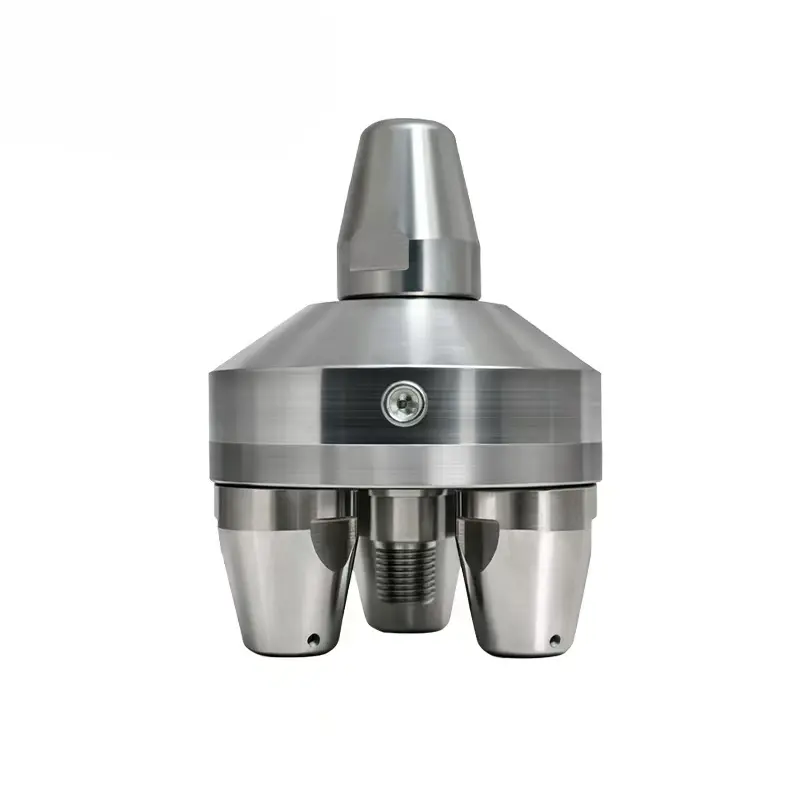
Witch Nozzle Guide: 3/8- or 1/2-Inch Threads, 40–60 Liter Flow Rate, and 250–400 Bar Pressure
Selecting a nozzle for oil-clogged pipelines starts with matching its flow rate and pressure to the cleaning equipment and the pipe’s requirements. This nozzle is designed for a flow rate of 40–60 liters per minute and an operating pressure range of 250–400 bar. These specifications support high-pressure water cleaning in pipelines where oil buildup restricts flow. Before use, check that the washer can supply the required water volume and pressure, and follow the equipment manufacturer’s operating instructions.
The nozzle has a threaded connection available in either 3/8-inch or 1/2-inch size. Confirm the thread size on the hose or cleaning assembly before choosing, as the connection must fit securely. Measuring 9 × 3.7 × 9 cm and weighing 1 kg, it is a compact component for compatible pipeline-cleaning setups. For oil-clogged lines, choose a suitable cleaning procedure for the pipe material and blockage, and ensure the nozzle and fittings are rated for the intended pressure.
Conclusion
Choosing a High Pressure Drain Cleaner starts with understanding the blockage and how severe it is. Consider whether you need to clear routine buildup or tackle a more stubborn obstruction, then check the pipe material, diameter, and layout. These details help you select equipment and nozzles that can reach the problem without putting unnecessary strain on the plumbing.
Compare pressure and flow rate, since both affect cleaning performance. Make sure the pump and hose are suitable for the intended task and compatible with the available setup. Review safety features, operating instructions, and any requirements for proper use before making a decision. Finally, weigh the purchase price against expected durability, maintenance needs, and replacement costs. Choosing equipment that fits your drains and workload can support effective cleaning and reliable long-term use.


 Sewer Jetter
 Thunder Series
 Thunder Pro Series
 Mammoth series
 Warrior Pro Series
 Warrior Max Series
 Warrior Supreme Series
 Destruction Series
 Titan Series
 Pressure Washer
 High Pressure Cleaning G5
 High Pressure Cleaning G8
 Pressure washer X3
 Pressure washer X4
 Water Seal
 Trailer Mounted Sewer Jetter
 Ridgid sewer tool
 K9-12
 K9-102
 K9-204
 Drain Camera
 DrainEye R8 Mini 30m
 DrainEye R10 Pro 60m
 DrainEye R13 Max 50m
 DrainEye R13 plus 100m
 Jetter Nozzle
 turbot nozzle
 dragon-egg nozzle
 Tornado nozzle
 Witch nozzle
 Pagoda Nozzle
 Demolition King
 Naval mines Nozzle
 Diamond Nozzle
 Lron chain Nozzle
 Mushroom Head Nozzle
 King bomb Nozzle
 Chain Armor Defender nozzle
 Sharp Edge Nozzle
 Jetter Hose
 Hose Size1/2
 Hose Size1/4
 Hose Size3/8
 Jetter Hose Reel
 TTO
 TwinReel
 Black handheld hose reel
 Pressure Washer accessories
 Air Filter Element
 Spark Plug
 Oil Filter
 One Way Valve
 Ceramic Tube
 Filter
 Refurbished Sewer Jetter
 Custom Sewer Jetter
 Remote Start


