


- Home
- Products
- About Us
- Case Studies & References
- News
- Contact Us
 Sewer Jetter
 Thunder Series
 Thunder Pro Series
 Mammoth series
 Warrior Pro Series
 Warrior Max Series
 Warrior Supreme Series
 Destruction Series
 Titan Series
 Pressure Washer
 High Pressure Cleaning G5
 High Pressure Cleaning G8
 Pressure washer X3
 Pressure washer X4
 Water Seal
 Trailer Mounted Sewer Jetter
 Ridgid sewer tool
 K9-12
 K9-102
 K9-204
 Drain Camera
 DrainEye R8 Mini 30m
 DrainEye R10 Pro 60m
 DrainEye R13 Max 50m
 DrainEye R13 plus 100m
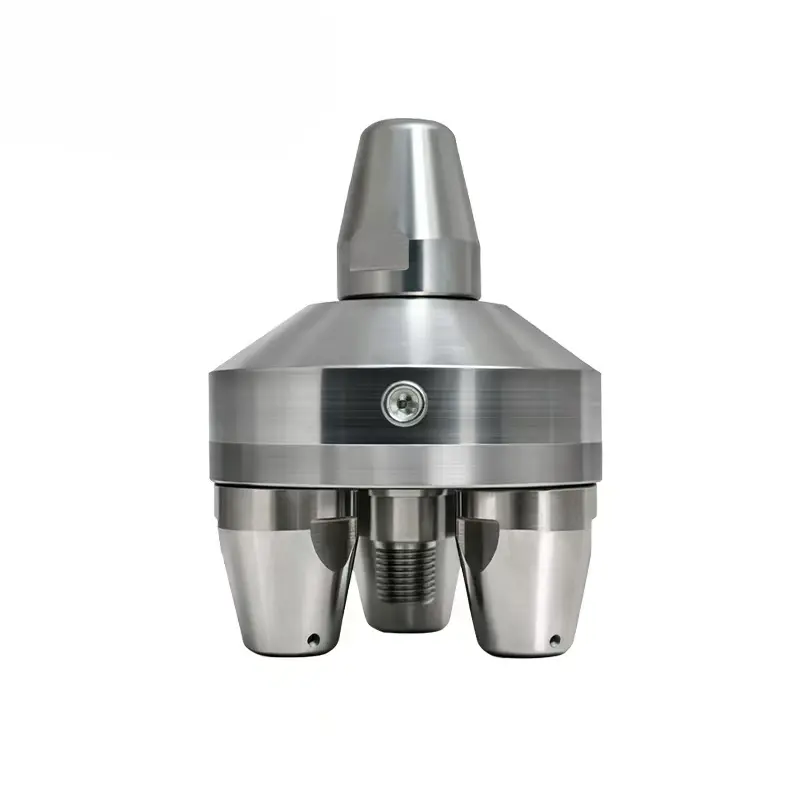 Jetter Nozzle
 turbot nozzle
 dragon-egg nozzle
 Tornado nozzle
 Witch nozzle
 Pagoda Nozzle
 Demolition King
 Naval mines Nozzle
 Diamond Nozzle
 Lron chain Nozzle
 Mushroom Head Nozzle
 King bomb Nozzle
 Chain Armor Defender nozzle
 Sharp Edge Nozzle
 Jetter Hose
 Hose Size1/2
 Hose Size1/4
 Hose Size3/8
 Jetter Hose Reel
 TTO
 TwinReel
 Black handheld hose reel
 Pressure Washer accessories
 Air Filter Element
 Spark Plug
 Oil Filter
 One Way Valve
 Ceramic Tube
 Filter
 Refurbished Sewer Jetter
 Custom Sewer Jetter
 Remote Start
Leave Your Message
A commercial drain cleaner machine is designed to handle tough drainage jobs in places like restaurants, hotels, factories, and property management facilities. It’s great for clearing out blockages in larger pipes that normal household tools just can’t tackle. Usually, these machines use powered cables, sectional rods, or high-pressure water jets to get the job done. Some models can even clear lines over 100 feet long, while others are built for tighter spaces in small service areas.
According to Mike Massey, who trains folks in the industry and works with General Pipe Cleaners, 'The machine's only as good as the person operating it.' That really hits home. A rotating cable can cut through grease, roots, or tough deposits, but if you’re careless, it can also damage delicate or old pipes. It’s all about knowing which cable size to use, selecting the right cutting head, setting the correct speed, and understanding the pipe’s material. That’s not just about owning the equipment; it’s about having practical experience.
This guide will walk you through what a commercial drain cleaner machine actually is, how it works, and where each type works best. Think about a busy kitchen with a slow-draining floor and greasy water puddling up, with customers about to arrive—having the right machine can make a real difference and get things flowing again quickly. But, keep in mind, it may not fix a collapsed pipe or some major structural issue—that’s a different story altogether. To be safe and effective, it helps to have inspection cameras, wear protective gear like gloves and goggles, and handle the machine carefully. Regular maintenance is important too—worn cables or faulty electrical parts can lead to avoidable problems. Since there are many types of commercial drain cleaners out there, choosing the right one means considering the pipe size, blockage type, space available, and what you expect to need it for.
In short, knowing your equipment and understanding the job at hand makes all the difference when it comes to efficient, safe drain cleaning.

A commercial drain cleaner machine is powered equipment designed to remove blockages from larger or frequently used drainage systems. It may use a rotating cable, sectional auger, water jet, or inspection camera. Each method serves a different purpose. Cables break through grease, roots, and compacted debris. Jetting equipment flushes loosened material through longer pipe runs. Cameras help locate damage before aggressive cleaning begins.
The machine’s purpose is practical: restore flow, reduce downtime, and support preventive maintenance in restaurants, factories, hospitals, and commercial buildings. The U.S. Environmental Protection Agency’s 2023 Drinking Water Infrastructure Needs Survey estimates $625 billion in drinking-water investment needs over the next 20 years. That figure does not measure drain-cleaning demand directly, but it shows the scale of aging water infrastructure. Small blockages can become expensive operational problems.
Choosing the best commercial drain cleaning machinerequires more than comparing motor power. Pipe diameter, blockage type, access points, water availability, and operator training matter. A compact cable unit may suit an indoor floor drain. A high-Pressure Jetter may perform better in a long exterior line. Safety guards and controlled pressure are essential. Too much force can damage weak pipes.
The “best” choice is not universal. That is easy to overlook. Technicians should inspect the line, record the result, and question whether repeated cleaning signals a deeper defect. Manufacturers’ capacity claims also need practical testing under real site conditions.
| Data Dimension | Typical Information | Purpose or Practical Meaning |
|---|---|---|
| Definition | A powered professional tool used to clear blockages from commercial and large residential drainage systems. | It delivers mechanical torque, rotating cables, or pressurized water to restore wastewater flow. |
| Primary Purpose | Remove obstructions such as grease, hair, sludge, paper, roots, scale, and accumulated debris. | The machine helps recover pipe capacity and reduce the risk of sewage backups and operational downtime. |
| Main Operating Methods | Mechanical cable cleaning, water jetting, or a combination of cleaning and inspection equipment. | The selected method depends on pipe diameter, blockage type, access conditions, and the condition of the drainage system. |
| Mechanical Cable Machines | Use a rotating flexible cable fitted with interchangeable tools, including augers, cutters, retrieving tools, and root cutters. | Suitable for breaking through localized blockages and removing material from accessible drain lines. |
| Hydro Jetting Machines | Use a high-pressure water pump, hose, and specialized nozzle to scour the internal pipe walls. | Effective for grease, sludge, sediment, and broad deposits that may not be fully removed by a cable alone. |
| Typical Pipe Diameter Range | Approximately 50–300 mm (2–12 in), depending on machine type and configuration. | Larger municipal or industrial lines may require specialized trailer-mounted or truck-mounted equipment. |
| Typical Cleaning Reach | Cable systems commonly reach several tens of metres; jetting hoses may reach farther depending on hose length and access. | Actual reach is limited by pipe layout, bends, friction, access points, and the machine’s rated capacity. |
| Common Power Sources | Electric motors are common indoors; petrol or diesel engines may be used for mobile outdoor equipment. | Power selection depends on ventilation, available electricity, portability requirements, and expected workload. |
| Typical Motor Rating | Compact commercial cable machines often use approximately 0.5–2.0 kW motors; larger systems may use more. | Higher power can support larger cables, longer runs, or tougher blockages, but it also requires greater operator control. |
| Typical Jetting Pressure | Commercial jetters may operate across a broad range, commonly about 70–280 bar (1,000–4,000 psi), depending on the application. | Pressure and water flow must be matched to the pipe material, blockage, nozzle, and safe operating limits. |
| Key Components | Motor or engine, drive system, cable drum or hose reel, cleaning tools, controls, frame, wheels, and protective guards. | These components provide power transmission, controlled access, blockage removal, mobility, and operator protection. |
| Typical Commercial Locations | Restaurants, hotels, hospitals, schools, office buildings, shopping centres, factories, warehouses, and property-management sites. | These locations often have higher wastewater volumes and more frequent exposure to grease, solids, and heavy usage. |
| Common Drain Types | Kitchen lines, restroom drains, floor drains, branch lines, lateral drains, stormwater lines, and building sewer connections. | The correct attachment and cleaning method should be selected for the pipe size and obstruction. |
| Advantages | High cleaning capability, repeatable operation, multiple tool options, improved productivity, and reduced reliance on manual methods. | A suitable machine can shorten service time and provide more consistent results than hand tools alone. |
| Important Limitations | A drain cleaner may not correct collapsed, severely cracked, misaligned, or structurally damaged pipework. | Camera inspection, repair, replacement, or excavation may be necessary when the blockage results from a structural defect. |
| Safety Requirements | Use eye and face protection, waterproof gloves, protective footwear, hearing protection, and suitable respiratory protection where required. | Operators should follow equipment instructions, isolate hazardous energy, maintain guards, and avoid contact with rotating cables or high-pressure water. |
| Maintenance Needs | Inspect cables, hoses, nozzles, guards, electrical connections, filters, belts, and emergency controls before and after use. | Routine maintenance reduces equipment failure, improves cleaning performance, and helps protect operators and drainage systems. |
| Best Selection Criteria | Pipe diameter, blockage type, cleaning distance, access size, available power, portability, water supply, and operator experience. | Matching the machine to the drainage system improves effectiveness while reducing the risk of pipe or equipment damage. |
Note: Performance ranges are representative commercial values. Actual specifications vary by machine design, attachments, pipe condition, and operating environment.
It is powered equipment for clearing blockages in large or frequently used drainage systems. It may use a rotating cable, cutting head, water jet, or inspection camera. Its main purpose is restoring flow and reducing operational downtime.
Portable drum machines suit indoor sinks and floor drains. Sectional machines handle longer building drains. Water jetters flush grease, sludge, and scale from wider pipes. Inspection cameras help locate hidden damage.
Match the machine to pipe diameter, blockage type, access points, water supply, and operator experience. Motor power alone can mislead you. A compact cable unit may suit a narrow indoor drain. A jetter may perform better on a long exterior line.
Restaurants use them for grease, food particles, and hardened sludge. Hotels and apartments need them for shared stacks and basement drains. Factories may require heavier equipment for sediment, scale, or process residue. Hospitals need controlled cleaning around sensitive areas.
Use a camera before aggressive cleaning when the blockage location is uncertain. It can reveal collapsed sections, root intrusion, and damaged joints. Cleaning cannot repair broken pipes. That detail is easy to overlook.
No. Excessive pressure can damage weak or poorly joined pipes. Flow rate, hose length, nozzle design, and recovery control also affect results. Available water and safe operating space matter. More force is not always better.
Operators need protective equipment, safety guards, ventilation, and documented training. Rotating cables can catch clothing or hands. Pressurized water can cause serious injuries. Gloves are not optional. Follow equipment instructions and applicable workplace requirements.
Schedule inspections, record cleaning results, and monitor recurring blockages. Preventive work can reduce emergency interruptions. Seasonal grease, construction dust, and tenant behavior may change conditions quickly. Schedules fail sometimes. Repeated cleaning may signal a deeper pipe defect.
A Commercial Drain Cleaner Machine is a professional tool designed to remove blockages, buildup, and obstructions from pipes and drainage systems in buildings, facilities, and commercial properties. Depending on the job, common types include cable machines, water jetting machines, drum machines, and sectional machines. Each type uses a different cleaning method, while key components such as motors, cables, nozzles, hoses, drums, and control systems work together to reach and clear difficult areas efficiently.
Commercial drain cleaning machines are used in restaurants, offices, hospitals, warehouses, and other high-traffic locations where reliable drainage is essential. Selecting the right machine requires considering pipe size, blockage severity, access conditions, and cleaning frequency. Operators should always follow safety procedures, wear suitable protective equipment, inspect the machine before use, and keep hands and clothing away from moving parts. Routine maintenance, including cleaning cables, checking electrical connections, lubricating components, and storing the machine properly, helps maintain performance and extend service life.


