


 Sewer Jetter
 Thunder Series
 Thunder Pro Series
 Mammoth series
 Warrior Pro Series
 Warrior Max Series
 Warrior Supreme Series
 Destruction Series
 Titan Series
 Pressure Washer
 High Pressure Cleaning G5
 High Pressure Cleaning G8
 Pressure washer X3
 Pressure washer X4
 Water Seal
 Trailer Mounted Sewer Jetter
 Ridgid sewer tool
 K9-12
 K9-102
 K9-204
 Drain Camera
 DrainEye R8 Mini 30m
 DrainEye R10 Pro 60m
 DrainEye R13 Max 50m
 DrainEye R13 plus 100m
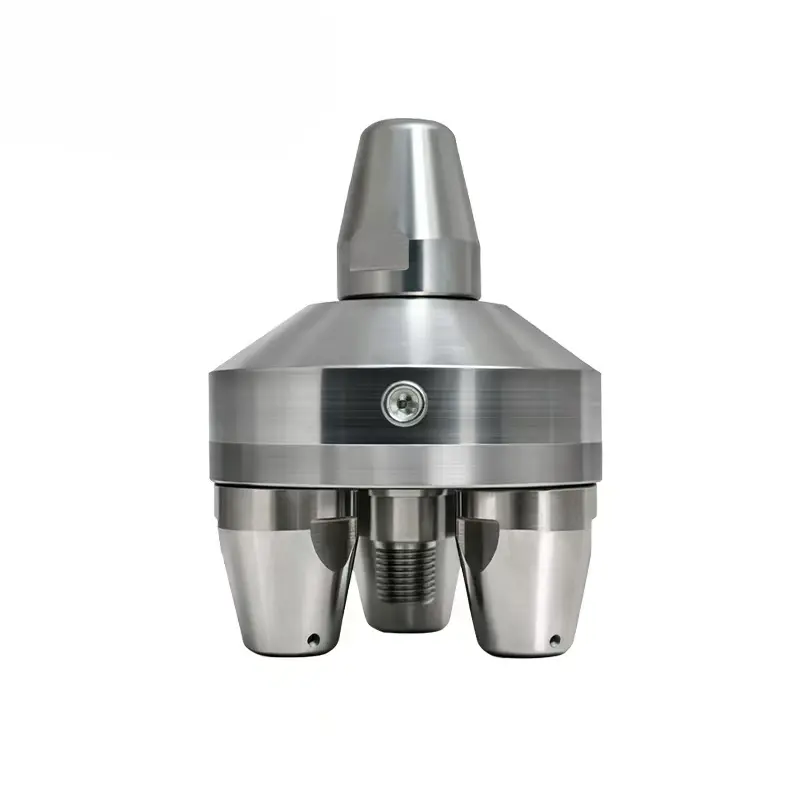 Jetter Nozzle
 turbot nozzle
 dragon-egg nozzle
 Tornado nozzle
 Witch nozzle
 Pagoda Nozzle
 Demolition King
 Naval mines Nozzle
 Diamond Nozzle
 Lron chain Nozzle
 Mushroom Head Nozzle
 King bomb Nozzle
 Chain Armor Defender nozzle
 Sharp Edge Nozzle
 Jetter Hose
 Hose Size1/2
 Hose Size1/4
 Hose Size3/8
 Jetter Hose Reel
 TTO
 TwinReel
 Black handheld hose reel
 Pressure Washer accessories
 Air Filter Element
 Spark Plug
 Oil Filter
 One Way Valve
 Ceramic Tube
 Filter
 Refurbished Sewer Jetter
 Custom Sewer Jetter
 Remote Start
The Critical Role of Sewer Cameras in CIPP Pipeline Rehabilitation
Cured-in-Place Pipe (CIPP) lining has revolutionized underground infrastructure renewal without invasive excavation. However, the integrity of trenchless lining is strictly governed by visual diagnostic clarity before, during, and after installation.
In modern municipal and industrial sewer maintenance, trenchless pipe lining relies heavily on closed-circuit television (CCTV) pipeline inspection cameras. Before a flexible resin-saturated felt tube or fiberglass liner is inverted or pulled into a host conduit, operators must accurately determine internal geometry, locate active lateral connections, measure debris accumulation, and identify structural offsets.
A single overlooked obstacle—such as an intruding service tee, sharp jagged offset, or lingering grease buildup—can puncture an uncured tube, cause resin washouts, create irreversible liner wrinkles, or lead to premature liner structural delamination. Therefore, selecting a fully compatible sewer inspection camera is the paramount engineering decision for trenchless rehabilitation specialists.
- Pre-Lining Host Assessment: Verify nominal pipe diameter, wall loss, root ingress, and surface cleanliness.
- Real-time Curing Validation: Monitor thermal inversion paths and verify absence of liner collapse or blisters.
- Post-Cure Quality Assurance (QA/QC): Ensure smooth hydraulic profile, confirm ASTM F1216 compliance, and guide robotic lateral reinstatement cutters.
Why Standard Drain Cameras Fall Short
Standard plumbing push cameras designed solely for clear-water unclogging often fail in demanding CIPP environments. CIPP operations involve extreme ambient humidity, steam or hot water curing temperatures, corrosive styrene vapors, and heavy chemical residue. Pipeline inspection equipment in this arena must deliver industrial-grade ruggedness, high-definition optical clarity, precise distance metering, and active sonde tracking.
6 Key Factors for Choosing a CIPP-Compatible Sewer Camera
Investing in a sewer inspection camera system for trenchless jobs requires assessing optics, mechanical maneuverability, sensor durability, and data capture integration.
1. Self-Leveling & Optical Resolution
When assessing host pipes or newly cured liners, maintaining a continuous upright visual orientation is essential. Self-leveling camera heads equipped with high-dynamic-range (HDR) image sensors prevent disorienting video rotations, allowing operators to immediately distinguish minor liner ripples from structural defects.
2. Adjustable Multi-Angle Illumination
CIPP liners constructed with fiberglass or epoxy-felt can produce severe glare or light absorption. Camera heads must feature high-output, adjustable LEDs with diffuse optical lenses to eliminate hot-spots, ensuring crisp reflection-free imagery across damp pipe walls.
3. Built-in 512Hz Sonde & Meter Counter
Pinpoint positioning is mandatory for lateral reinstatement. A camera equipped with a high-accuracy on-screen display (OSD) digital distance counter and integrated 512Hz locating transmitter enables above-ground crews to mark exact cut-in positions with zero guesswork.
4. Push-Rod Flexibility & Column Strength
Navigating through multiple 45° and 90° bends in residential side-sewers requires an optimized fiberglass push cable balance: flexible enough to glide through tight elbows yet rigid enough to push past long lateral runs exceeding 30 to 60 meters without buckling.
5. Chemical & High Temperature Endurance
During steam or ambient epoxy curing monitoring, inspection cameras can be exposed to chemical vapors (e.g., styrene) and lingering heat. Stainless steel or aviation aluminum housings, scratch-proof sapphire crystal lens covers, and hermetic IP68 sealing are essential.
6. Reporting & AI Defect Documentation
Delivering comprehensive inspection logs to municipal authorities or property owners requires seamless digital documentation. Compatible systems must support one-touch MP4 video recording, high-resolution JPEG capture, audio voiceovers, and quick USB or wireless export.
R22 Max Sewer Camera System: The Definitive CIPP Diagnostic Unit
Specifically engineered to meet the stringent demands of trenchless pipeline contractors, the R22 Max represents the pinnacle of compact, ultra-rugged CCTV push camera engineering. Designed for quick deployment in mainline relining, residential lateral rehabilitation, and point repair monitoring, the R22 Max bridges the gap between field maneuverability and diagnostic clarity.
Featuring an advanced ultra-compact HD self-leveling optical head, high-tensile fiberglass reinforcement rod, and smart on-screen digital telemetry (including accurate distance metering and 512Hz locating frequency), the R22 Max allows technicians to confidently inspect host pipes down to tight radii, identify resin distribution uniformity, and precisely locate lateral connections for prompt post-cure reopening.
- High-Resolution True-Color Optic: Ultra-sharp sensor shielded by a reinforced sapphire glass window resistant to abrasive lime, sand, and resin contact.
- Intelligent Auto Self-Leveling: Keeps image constantly oriented upright during complex bends and inversions.
- Integrated High-Power 512Hz Sonde: Seamlessly synchronizes with universal underground pipe locators to pinpoint junction depths and positions.
- Rugged Ergonomic Reel & Control Hub: IP66 weather-resistant operating console with a vibrant anti-glare monitor for direct sunlight field operations.
R22 Max Technical Matrix
| Camera Head Diameter | 22mm (Compact Profile for Multi-Bend Pass) |
| Optical Sensor | Full HD Color CMOS with Wide-Angle FOV |
| Levelling Mechanism | Gravity-balanced True Self-Leveling |
| Push Cable | High-Flex Yellow Fiberglass Core (30m - 50m) |
| Sonde Frequency | Standard 512Hz Locating Transmitter |
| Display & Storage | Digital Color Monitor, USB/SD Media Recording |
| Ingress Protection | IP68 Waterproof Submersible up to 10m |
Amjet Comprehensive Drainage Jetting & Inspection Synergy
A successful CIPP relining project depends on a holistic workflow: thorough high-pressure hydro-cleaning, clear diagnostic verification, and impeccable post-lining surface finishing.
Amjet specializes in the field of drainage jets and has a rich and diverse product range. Our high-pressure drainage jet, with powerful power and efficient injection performance, can quickly clear the blockage in the drainage pipe. The drainage camera clearly captures the inside of the pipeline to ensure accurate operation. The unique design of the sewer nozzle can adapt to different operating environments. Pressure cleaning surface cleaning machine can effectively clean all kinds of surfaces and improve working efficiency.
Combining Amjet's high-pressure drainage jetting machinery with the advanced R22 Max sewer camera creates an unbeatable turnkey workflow for trenchless rehabilitation contractors. Thorough hydro-jetting removes tuberculation, roots, and fats, ensuring the host pipe profile allows full resin-to-wall contact. Simultaneously, the R22 Max provides the real-time visual proof required to greenlight the inversion process.

High-Pressure Drain Jetters
Engineered with rugged pump technology and immense flow dynamics to descale old cast iron, vitrified clay, and PVC pipelines prior to sleeve insertion.
Specialized Sewer Nozzles
Proprietary nozzle hydrodynamics tailored for root cutting, grease scouring, and bottom sediment flushing, ensuring 100% clean bonding pipe perimeters.
Surface Cleaning Equipment
Heavy-duty rotary surface cleaners to sanitize manhole perimeters, staging zones, and residential access points for clean, professional job site delivery.
Step-by-Step CIPP Inspection Protocol with R22 Max
Maximize installation success and eliminate costly rework by adopting a rigorous three-stage visual inspection methodology conforming to municipal guidelines.
Stage 1: Pre-Lining Caliper & Obstruction Assessment
Before impregnating the tube with epoxy, vinyl ester, or polyester resin, deploy the R22 Max sewer camera following initial hydro-jetting. Record the exact distance to each lateral junction, inspect the host line for jagged breaks or standing water, and verify that the line is fully cleared of mineral scale. Use the on-screen distance counter and 512Hz sonde to verify and mark physical locations above ground.
Stage 2: Insertion, Inversion & Cure Monitoring
During the pull-in or air/water inversion process, CCTV cameras help verify that the calibration hose or pre-liner maintains proper inflation pressure without twists. For UV-cured or ambient cured liners, visual spot-checks confirm that the bladder remains flush with the inner conduit circumference without pinch points or premature folds.
Stage 3: Post-Cure Final QA/QC & Lateral Reopening Guidance
Once polymerization is complete and the inner sleeve has cooled, push the R22 Max through the newly formed composite pipe. Check for structural uniformity, verify the absence of resin slugs or delamination, and guide remote lateral robotic cutters to reinstate branch connections accurately without damaging the host or cured liner.
CCTV Inspection System Comparison for Trenchless Projects
Understand the trade-offs between standard basic cameras, large robotic crawlers, and the optimized compact R22 Max system.
| Feature / Parameter | Standard Drain Camera | Heavy Mainline Crawler | Amjet R22 Max Push System |
|---|---|---|---|
| Target Application | General residential plumbing checks | Municipal large mainlines (300mm+) | CIPP laterals, point repairs & mains (50-200mm) |
| Bend Maneuverability | High (Limited rod stiffness) | Low (Cannot pass standard bends) | Optimal (Passes multiple 90° elbows smoothly) |
| Self-Leveling Camera Head | Rarely Available | Motorized / Auto-Leveling | Precision Gravity-Balanced Self-Leveling |
| Built-In 512Hz Sonde | Optional / Often Absent | Integrated | Integrated Standard (High Precision) |
| Chemical/Resin Resistance | Basic Plastic / Low Rating | High Industrial Grade | Aviation Alloy + Sapphire Crystal Lens |
| Deployment Speed & Weight | Fast / Light | Slow / Heavy (Requires dedicated truck) | Rapid 1-Person Deployment / Portable Console |
Expert Answers for CIPP Pipeline Contractors
Addressing common technical inquiries regarding camera selection, CIPP quality control, and field operations.
Why is self-leveling vital for CIPP pre- and post-inspection?
Self-leveling ensures that the camera's image remains horizontal regardless of cable twisting inside the pipe. When assessing pipeline defects or checking newly cured liners for resin slump or top-of-pipe wrinkles, an upright perspective is required by ASTM inspection protocols and municipal engineering standards.
How does the R22 Max navigate 90-degree bends in relined pipes?
The R22 Max combines a compact 22mm camera head profile with an engineered flexible spring neck and high-elasticity fiberglass rod. This balanced structural design allows the unit to easily navigate consecutive 90° bends in 3-inch (75mm) and 4-inch (100mm) pipes without getting trapped or kinking the push rod.
Can high-pressure hydro-jetting damage pipeline walls prior to CIPP inspection?
When properly matched with suitable nozzles, Amjet high-pressure drain jetters clear grease, root masses, and heavy scale without harming sound host pipe material. Thorough hydro-jet cleaning is mandatory to achieve the clean substrate surface necessary for reliable resin bonding and clear visual CCTV inspection.
What role does the 512Hz sonde play during lateral reconnection?
After a continuous CIPP liner cures across lateral junctions, the service connections are sealed off. The built-in 512Hz sonde inside the R22 Max allows operators above ground to track the camera head exactly at the blind tee location using a digital locator, marking the spot for accurate robotic lateral reinstatement.
Ready to Upgrade Your Trenchless Inspection Arsenal?
Equip your team with the precision of the R22 Max sewer camera and Amjet's high-efficiency drainage jetting systems. Achieve flawless CIPP quality assurance, streamline municipal reporting, and safeguard your underground rehabilitation investments.