


 Sewer Jetter
 Thunder Series
 Thunder Pro Series
 Mammoth series
 Warrior Pro Series
 Warrior Max Series
 Warrior Supreme Series
 Destruction Series
 Titan Series
 Pressure Washer
 High Pressure Cleaning G5
 High Pressure Cleaning G8
 Pressure washer X3
 Pressure washer X4
 Water Seal
 Trailer Mounted Sewer Jetter
 Ridgid sewer tool
 K9-12
 K9-102
 K9-204
 Drain Camera
 DrainEye R8 Mini 30m
 DrainEye R10 Pro 60m
 DrainEye R13 Max 50m
 DrainEye R13 plus 100m
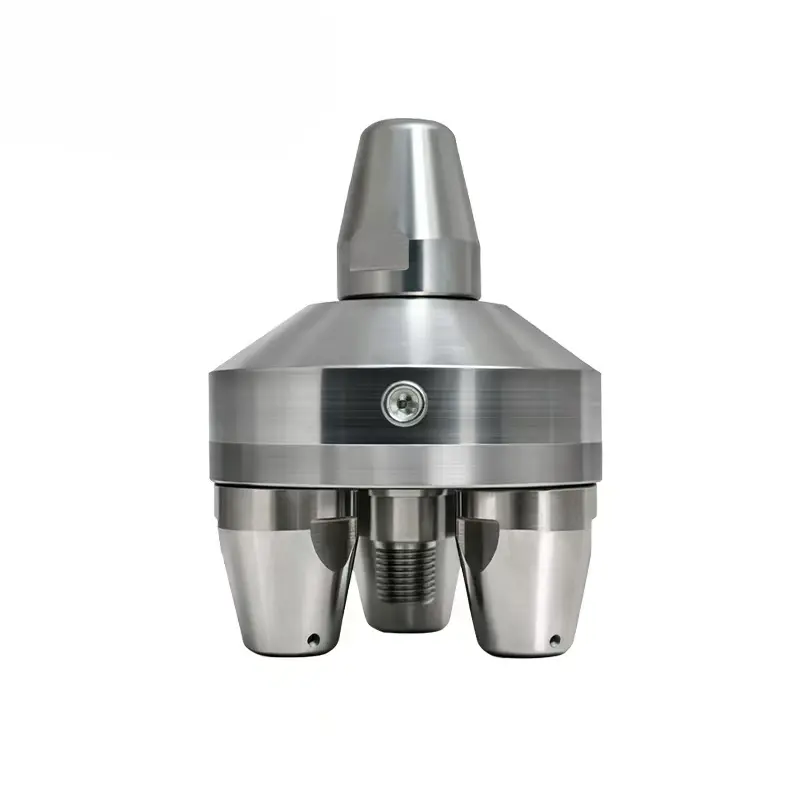 Jetter Nozzle
 turbot nozzle
 dragon-egg nozzle
 Tornado nozzle
 Witch nozzle
 Pagoda Nozzle
 Demolition King
 Naval mines Nozzle
 Diamond Nozzle
 Lron chain Nozzle
 Mushroom Head Nozzle
 King bomb Nozzle
 Chain Armor Defender nozzle
 Sharp Edge Nozzle
 Jetter Hose
 Hose Size1/2
 Hose Size1/4
 Hose Size3/8
 Jetter Hose Reel
 TTO
 TwinReel
 Black handheld hose reel
 Pressure Washer accessories
 Air Filter Element
 Spark Plug
 Oil Filter
 One Way Valve
 Ceramic Tube
 Filter
 Refurbished Sewer Jetter
 Custom Sewer Jetter
 Remote Start


Starting a Drain Cleaning Business: Essential Equipment Checklist
Starting a Drain Cleaning Business: Essential Equipment Checklist
Starting a drain cleaning business requires more than purchasing a machine and finding your first customers. The right equipment determines what types of blockages you can handle, how efficiently you can complete jobs, and whether you are prepared for residential, commercial, or larger sewer cleaning work.
For anyone starting a drain cleaning business, the most important investment is usually the cleaning machine itself. However, a professional setup also needs the right hose, nozzles, inspection camera, water supply, hose reel, safety equipment, and transportation solution.
This equipment checklist explains what to consider before building your first setup, how to match equipment to the type of work you plan to take on, and how to avoid buying equipment that limits your business as it grows.
1. Define Your Drain Cleaning Services Before Buying Equipment
Before purchasing equipment, determine what type of customers you want to serve.
A residential-focused drain cleaning business may mainly deal with smaller household drains, sewer lines, grease blockages, roots, and routine maintenance. A commercial operation may need to clean larger pipes in restaurants, apartment buildings, shopping centers, or commercial properties.
Municipal and industrial work can require substantially higher water flow, longer hoses, larger tanks, and more specialized equipment.
Your target market therefore affects the equipment you need.
Consider these questions before making a purchase:
-
What pipe diameters will you normally clean?
-
How far into a sewer line will you need to reach?
-
Will most jobs be residential or commercial?
-
Will you work from a van or trailer?
-
Do you need equipment that one technician can operate?
-
Will you provide inspection services in addition to cleaning?
-
Do you expect to expand into larger commercial or municipal jobs?
A good setup should handle the jobs you expect today without preventing you from taking on more demanding work later.
2. Drain Cleaning Business Equipment Checklist
A professional drain cleaning business normally needs several categories of equipment rather than one machine.

Here is a practical starting checklist:
-
Sewer Jetter or high-pressure drain cleaning machine
-
Sewer jetting hose
-
Sewer jetting nozzles
-
Hose reel
-
Water tank and water supply system
-
Safety equipment
-
Suitable vehicle or trailer
-
Basic hand tools and fittings
-
Spare parts and maintenance supplies
The exact configuration depends on your services, pipe sizes, job locations, and expected workload.
1. Sewer Jetter or High-Pressure Drain Cleaning Machine
The sewer jetter is usually the central piece of equipment for a professional drain cleaning business. Instead of relying only on mechanical cutting or augering, a water jetting machine uses pressurized water to break through blockages and flush debris through the pipe.
When comparing a sewer cleaning machine, do not look only at the maximum pressure number.
Water flow is equally important because different cleaning jobs require different combinations of pressure and volume. A machine with a high pressure rating but insufficient flow may not provide the performance you need for larger or heavily contaminated lines.
Important specifications to compare include:
-
Working pressure
-
Water flow rate
-
Engine power
-
Hose capacity
-
Water tank capacity
-
Recommended pipe diameter
-
Remote control options
-
Machine weight
-
Trailer or van compatibility
-
Maintenance requirements
For a new drain cleaning business, the right machine is the one that matches the jobs you actually intend to perform.
For example, a compact machine may be practical for residential plumbing work, while a higher-flow professional sewer jetter may be more suitable for commercial and larger-diameter sewer lines.
2. Sewer Jetting Hose
The hose is one of the most important components of a water jetting system.
A sewer jetter can only work effectively if the hose can safely deliver pressurized water to the nozzle while traveling through the pipe.
When selecting a sewer jetting hose, consider:
-
Hose diameter
-
Working pressure
-
Length
-
Flexibility
-
Abrasion resistance
-
Connection fittings
-
Compatibility with the machine
-
Compatibility with different nozzles
The correct hose length depends on the jobs you expect to handle. A residential-focused drain cleaning business may not need the same hose capacity as a contractor working on long commercial sewer lines.
It is also important to inspect hoses regularly. High-pressure equipment should never be operated with damaged, excessively worn, or improperly connected hoses.
3. Sewer Jetting Nozzles
Nozzles determine how water is delivered inside the pipe.
A professional drain cleaning business should not rely on one nozzle for every blockage. Different cleaning conditions require different water patterns and nozzle designs.
Common nozzle categories include:
-
Penetrating nozzles for opening blocked lines
-
Flushing nozzles for moving loose debris
-
Rotating nozzles for more comprehensive wall cleaning
-
Root-cutting systems for difficult root intrusion
-
Grease-cutting nozzles for grease-heavy applications
The correct nozzle depends on the blockage, pipe condition, pipe diameter, and cleaning objective.
This is one reason experienced contractors often carry several nozzle types rather than trying to solve every job with the same setup.
4. Sewer Inspection Camera
A sewer camera is another valuable investment for a growing drain cleaning business.
Cleaning a pipe does not always explain why a blockage occurred. A camera can help technicians identify roots, cracks, collapsed sections, heavy buildup, foreign objects, or other conditions inside the pipe.
Inspection before cleaning can help identify the location and type of problem. Inspection after cleaning can help confirm the condition of the line.
A camera can also make customer communication easier. Instead of explaining a hidden pipe problem only with words, a technician can show the customer what is actually inside the line.
When selecting a sewer camera, consider:
-
Camera head size
-
Push cable length
-
Image quality
-
Built-in lighting
-
Recording capability
-
Locator function
-
Monitor size
-
Waterproof construction
For a drain cleaning business that wants to offer inspection and cleaning as a complete service, a sewer camera can become an important part of the workflow.
5. Hose Reel
A hose reel makes equipment easier to operate and helps keep the work area organized.
Without a suitable reel, long high-pressure hoses can become difficult to manage, especially when technicians move between the vehicle and the access point.
A professional hose reel should be selected based on:
-
Hose length
-
Hose diameter
-
Reel capacity
-
Manual or powered operation
-
Mounting configuration
-
Swivel connection
-
Vehicle or trailer layout
The reel should also allow the hose to be deployed and retrieved without unnecessary bends or damage.
For a busy drain cleaning business, better hose management can reduce setup time and make daily operations more efficient.
6. Water Tank and Water Supply
Water availability is another factor that should be considered before purchasing a sewer jetter.
A machine designed for high-flow cleaning may consume a significant amount of water during operation. Depending on the job and local regulations, technicians may need access to a water connection or carry water in an onboard tank.
When planning your system, consider:
-
Tank capacity
-
Available water sources
-
Refill time
-
Vehicle weight
-
Space requirements
-
Pump requirements
-
Local water regulations
The tank should be large enough for the type of work you plan to perform without making the vehicle unnecessarily difficult to operate.
7. Safety Equipment
High-pressure water jetting requires appropriate safety procedures and protective equipment.
A professional drain cleaning business should consider equipment such as:
-
Protective gloves
-
Eye protection
-
Waterproof protective clothing
-
Safety boots
-
Hearing protection
-
High-visibility clothing
-
Appropriate first-aid supplies
-
Warning signs or barriers
Technicians should also receive appropriate training before operating high-pressure cleaning equipment.
Safety should be considered during equipment selection, transportation, setup, operation, and maintenance.
3. How to Choose the Right Sewer Jetter for Your Business
There is no single sewer jetter configuration that is suitable for every drain cleaning business.

A useful way to choose equipment is to start with the pipe sizes and job types you expect to encounter.
Residential Drain Cleaning
A residential-focused operation may prioritize:
-
Compact dimensions
-
Easy transportation
-
Moderate water flow
-
Flexible hose configuration
-
Simple operation
The machine should be practical for technicians who frequently move between different residential properties.
Plumbing Contractor Services
A plumbing contractor may need a more versatile system that can handle a wider range of pipe sizes and blockage types.
A professional sewer cleaning machine with multiple nozzle options, sufficient hose capacity, and remote operation can provide greater flexibility.
Commercial Drain Cleaning
Commercial jobs can involve larger pipes, longer cleaning distances, grease, sediment, and heavier buildup.
For these applications, water flow becomes increasingly important. Contractors should evaluate pressure and flow together instead of choosing equipment based only on the highest advertised pressure.
Municipal and Industrial Work
Larger sewer systems may require higher-capacity equipment, larger water tanks, longer hoses, and specialized configurations.
Businesses entering this market should evaluate equipment based on the actual pipe diameter, cleaning distance, debris type, and operating environment.
4. How Much Equipment Do You Need to Start?
The amount of equipment required depends on the services offered by your drain cleaning business.
A basic setup might include:
-
Compact sewer jetter
-
Standard hose
-
Several essential nozzles
-
Basic inspection camera
-
Safety equipment
-
Water supply solution
A more professional setup may include:
-
Higher-flow sewer cleaning machine
-
Larger water tank
-
Powered hose reel
-
Multiple nozzle configurations
-
Professional sewer camera
-
Additional hose
-
Trailer or van installation
An advanced operation may also add specialized nozzle systems, larger hose capacity, remote controls, additional inspection equipment, and customized vehicle systems.
Instead of buying every available accessory at the beginning, build the equipment around your most common jobs. As the drain cleaning business develops, equipment can be added according to customer demand.
5. Trailer-Mounted vs. Van-Mounted Equipment
Transportation is another major decision when starting a drain cleaning business.
Trailer-Mounted System
A trailer-mounted sewer jetter can provide flexibility because the cleaning equipment is separated from the main service vehicle.
Potential advantages include:
-
Easy access to the equipment
-
Dedicated jetting setup
-
Flexible vehicle selection
-
Easier equipment upgrades
-
Convenient access to larger machines
This configuration can be useful for contractors whose primary work involves sewer jetting.
Van-Mounted System
A van-mounted system integrates the equipment into the service vehicle.
Potential advantages include:
-
Compact overall operation
-
Protected equipment storage
-
Convenient transportation
-
Space for additional plumbing tools
-
Professional all-in-one service vehicle
The choice should depend on your vehicle, job types, storage requirements, and how your technicians work.
6. Common Mistakes When Starting a Drain Cleaning Business
New operators often focus heavily on the machine price and overlook the rest of the system.
Here are several common mistakes to avoid.
Choosing Equipment Based Only on Pressure
A higher pressure rating does not automatically mean better cleaning performance.
Water flow, hose size, nozzle selection, pipe diameter, and blockage type all affect the result.
Buying Only One Nozzle
Different blockages require different cleaning patterns. A basic nozzle set gives technicians more options when conditions change.
Ignoring Hose Capacity
If the hose is too short or unsuitable for the expected pipe diameter and cleaning distance, the machine may not be practical for certain jobs.
Starting Without Inspection Equipment
A sewer camera can help identify problems that cannot be seen from the access point. It can also help document the condition of a line before and after cleaning.
Buying for Today's Jobs Only
A machine that handles small residential drains may become limiting if the business later targets commercial customers.
Think about the direction of the business before making a major equipment investment.
7. Final Drain Cleaning Business Equipment Checklist
Before launching your drain cleaning business, review the following checklist:
-
Sewer jetter or high-pressure drain cleaning machine
-
Compatible sewer jetting hose
-
Multiple sewer jetting nozzles
-
Sewer inspection camera
-
Hose reel
-
Water tank or reliable water supply
-
Protective clothing and safety equipment
-
Suitable van or trailer
-
Spare fittings and replacement parts
-
Basic maintenance tools
-
Equipment operating procedures
-
Technician safety training
The goal is not to purchase the largest machine available. The goal is to build an equipment package that matches your customers, working environment, pipe sizes, and future plans.

For a growing drain cleaning business, equipment should provide enough capability for current jobs while leaving room for the company to expand into more demanding commercial or municipal work.
Frequently Asked Questions
What equipment do I need to start a drain cleaning business?
Most new operators need a sewer jetter or drain cleaning machine, suitable hose, several nozzle types, safety equipment, and a reliable water supply. A sewer camera is also useful for inspection and documentation.
What size sewer jetter do I need?
The appropriate size depends on the pipe diameter, blockage type, cleaning distance, and services you plan to offer. Residential work generally requires a different configuration from commercial or municipal cleaning.
Do I need a sewer camera for drain cleaning?
A camera is not required for every cleaning job, but it can provide valuable information about blockages, roots, cracks, collapsed pipes, and other conditions that cannot be identified from the access point.
What type of hose is used with a sewer jetter?
Sewer jetting hoses are designed for high-pressure water applications and should be selected according to working pressure, diameter, length, flexibility, and compatibility with the machine and fittings.
What sewer jetting nozzles should a new business have?
A practical starting selection can include a penetrating nozzle, flushing nozzle, rotating nozzle, and application-specific options for grease or roots. The ideal selection depends on the jobs your customers require.
Should I choose a trailer-mounted or van-mounted sewer jetter?
Both configurations can work well. A trailer can provide a dedicated cleaning setup, while a van-mounted system can integrate jetting equipment with other plumbing tools. The right choice depends on your vehicle, services, storage needs, and daily workflow.
Building the Right Equipment Setup for Your Business
Starting a drain cleaning business is easier when equipment decisions are based on actual service requirements rather than specifications alone.
A professional setup should bring together the cleaning machine, hose, nozzles, inspection equipment, water supply, safety equipment, and transportation system. As your customer base grows, you can expand the equipment package to handle larger pipes, longer cleaning distances, and more specialized applications.
The right equipment setup can help a drain cleaning business provide more consistent service while creating opportunities to serve a broader range of customers.
For contractors evaluating professional sewer cleaning equipment, AMJET provides high-pressure drain cleaning machines and related equipment designed for professional sewer and pipe cleaning applications.